


De Apostelhoeve · Louwberg · Maastricht wine · vineyard
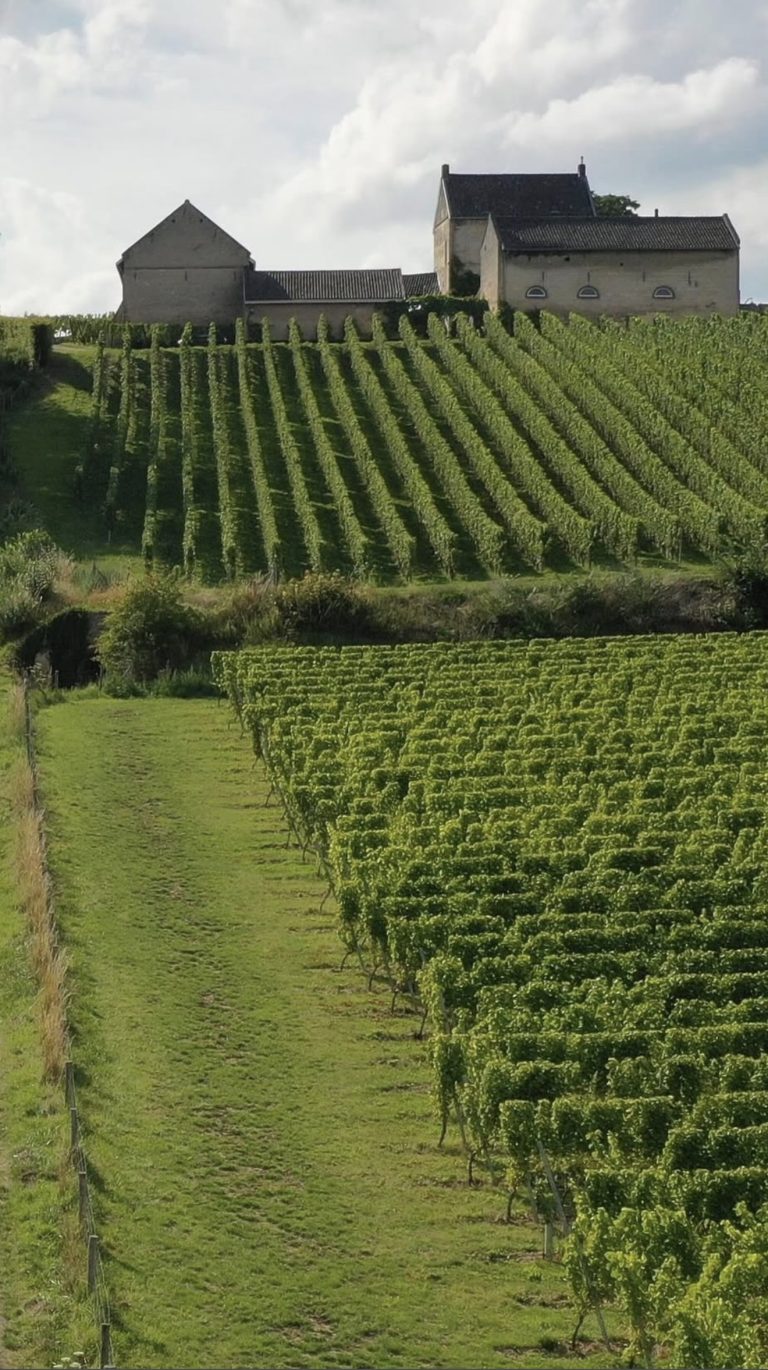
De Apostelhoeve gives Maastricht a horizon of vines. The vineyards lie on the Louwberg, with the Jekerdal at their feet. Here wine turns from a label into a visible landscape. Above the city, the story of the wine begins with the grapes themselves, long before the bottles end up at a wine merchant or on a restaurant table.
In 1970, fruit grower Hugo Hulst planted vines here. The first harvest, in 1973, yielded 1,400 bottles. What began as a new direction for a farming business grew into one of the defining names in modern Dutch winegrowing. The soil consists of marl and gravel beneath a layer of loess. Together with the location, that soil forms the concrete starting point of the story. The romance of a vineyard ultimately rests on very practical choices.
The estate works with several classic grape varieties. Müller-Thurgau, Auxerrois, Riesling and Pinot Gris are among the familiar names; Viognier, Chardonnay and Pinot Noir have also been planted. The wine list includes the Cuvée XII, Pinot Gris Barriques and sparkling wines such as Riesling Brut and Cuvée St. Pieter Brut. That gives Apostelhoeve more to offer than one recognisable local white wine. Anyone who puts the different styles side by side discovers how broadly a Maastricht estate can think.
On a visit, the shop and the tour are two separate options. You can buy wine, but a booked tour also takes you past the vineyard, the press house and the cellars, followed by a tasting. That very order gives substance to the glass. First you see the slope, then where the harvest is processed and then what ends up in the bottle. It is a pleasantly concrete introduction, even when appellations and cellar techniques are still unknown territory.
At home, it is interesting to compare a still and a sparkling wine from the same estate. Pour them at separate moments and think about which dishes go with them: an aperitif calls for something different from a creamy sauce or a richer fish dish. Those are possibilities to play with yourself. The constant is always the place of origin, while each style can get a different moment at the table. A small comparison makes clear that Dutch wine is not a single category. Even within one estate, different grapes, methods and ideas stand side by side. Recognising the name can be the beginning; after that there is still much to discover.
De Apostelhoeve suits an afternoon when you want to look at Maastricht from the outside for a while. A tour gives time to the story behind the wine, while outside the landscape tells the rest. The bottle that finally goes home therefore has a very precise origin. You know where the rows of vines stand, how the slope runs down to the valley and why this wine belongs in a Maastricht guide. A local bottle is rarely so literally local.
Maastricht, by the glass and by the hillside.
www.apostelhoeve.nl