

Delicatessen

In Maastricht, good food begins long before you sit down at the table. You pick up a piece of cheese for tonight, fresh bread that barely survives the street, or charcuterie to go with a good bottle of wine. And sometimes you buy Limburg vlaai that was actually meant to be taken home. Behind small facades you will find bakers, butchers, wine merchants, chocolatiers and delicatessens who take their craft seriously. They let you taste, advise you personally and know their products inside out. Our selection deliberately goes beyond classic delicatessens. A good baker, fishmonger, patisserie, coffee roaster or wine merchant also deserves a place here. Especially if you are happy to walk a few streets out of your way for it.
Vojacek Wijnen, wijnhandel in Maastricht

Vojacek Wijnen

Vojacek · Maastricht · wine merchant · Burgundy specialist

Behind the gate on the Tongerseweg, Maastricht’s Burgundy begins. Vojacek is the address for anyone who wants to keep talking about a Meursault, a fine Chassagne or a refined pinot noir right away. The wine merchant has a clear French preference, but keeps its gaze broad enough for a surprising bottle from Italy, Spain, Germany or Austria. You don’t need a cellar for it. A good plan for dinner is already a start.

That bond with the city has an unexpected origin. Henri Vojacek once poured wine in a women’s boutique on the Vrijthof. While clothes were being picked out, the company also discovered what was in the glass. A wine merchant grew out of that interest. His son Yoeri later expanded the business; the love of Burgundy remained the starting point. It is a history that suits Maastricht well: fashion, hospitality and wine proved hard to keep apart.

Anyone who follows the names on the bottles will understand why enthusiasts keep coming back here. Paul Pillot and Ballot-Millot are among the houses with which the relationship goes back a long way. The range also includes producers such as Agnès Paquet, Eric Boigelot and Domaine Rijckaert. That last domaine works in both the Mâconnais and the Jura. Differences like these make a selection interesting: the same grape can tell a completely different story as soil, place and maker change.

The shop has room for around 450 wines, including champagne, other sparkling wines and fortified styles. The formats, too, depart from the usual row of standard bottles. Half bottles are handy for a dinner with several dishes; a magnum suits a table where people keep pulling up a chair. It gives the choice something homely, even when the origin on the label is distinctly prestigious. What is going on the table and how many of you there are can simply help decide the purchase.

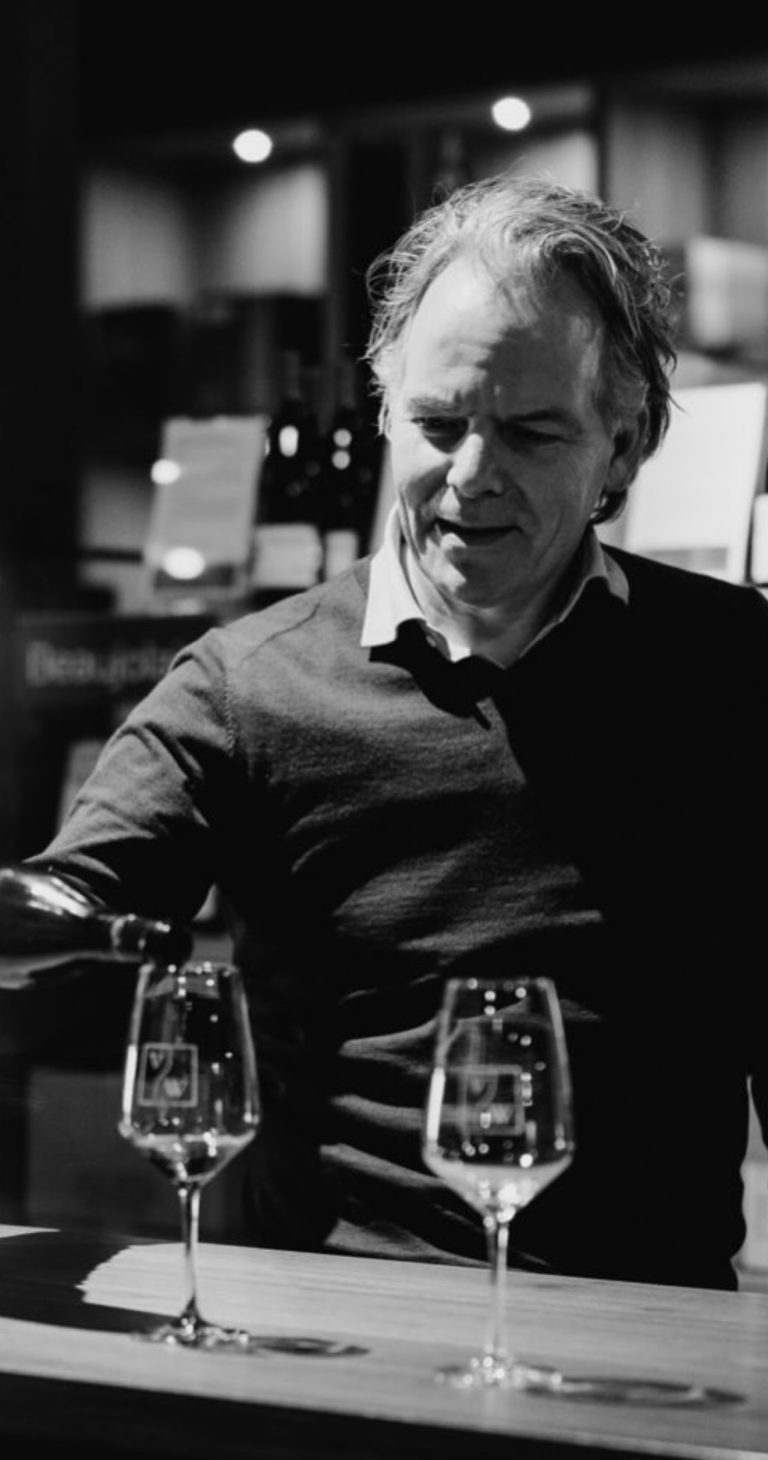
For us, the step from name to taste is what’s really worth it. Tell them which bottle you enjoyed before, what you are going to cook and how much you want to spend. That gives a conversation about wine direction. Perhaps the answer turns out to lie in a lesser-known appellation, or with a producer you already know but whose other cuvée you have never tried. Vojacek usually has several wines open to taste. Then a regional name suddenly gets a flavour, and it becomes clear what a description such as fresh, broad or refined means to you. The glass can confirm an idea, but just as easily open up a new direction. That is exactly what makes a specialist wine merchant interesting: the choice grows out of a conversation, with something concrete to set beside the words.

The address lies a little outside the busiest shopping streets, which turns buying wine into a deliberate stop. Later at home, what you bring back stays very concrete: a bottle whose label you not only recognise, but whose choice you also understand. And when it is empty, the acquaintance simply continues via the webshop.

Through the gate. Into the vineyard.

www.vojacek.nl
Adriaan de Smaakmaker, delicatessenwinkel in Maastricht

Adriaan de Smaakmaker

Adriaan de Smaakmaker · Jekerkwartier · mustard · preserves & condiments

A jar of mustard can represent a city better than a whole shelf of souvenirs. At Adriaan de Smaakmaker the Maastricht herb mustard is just such a small, usable piece of local history. The shop on the Sint Pieterstraat has existed since 1985 and has a specialism large enough for a complete pantry: jam, chutney, vinegar, vinaigrette and mayonnaise. All of them flavour makers that only really start to do their work once you put something on the table at home.

Adriaan was the first name of the founder. James and Angeliek Lumsden took over the business in 2005 and kept both the name and the production in the shop. That also preserved the link between shop and kitchen. The jars here are not merely collected and resold; the recipes are prepared on the spot. For the fruit the duo works with local producers. That makes the shop special in a time when craft is often mentioned mainly on the packaging.

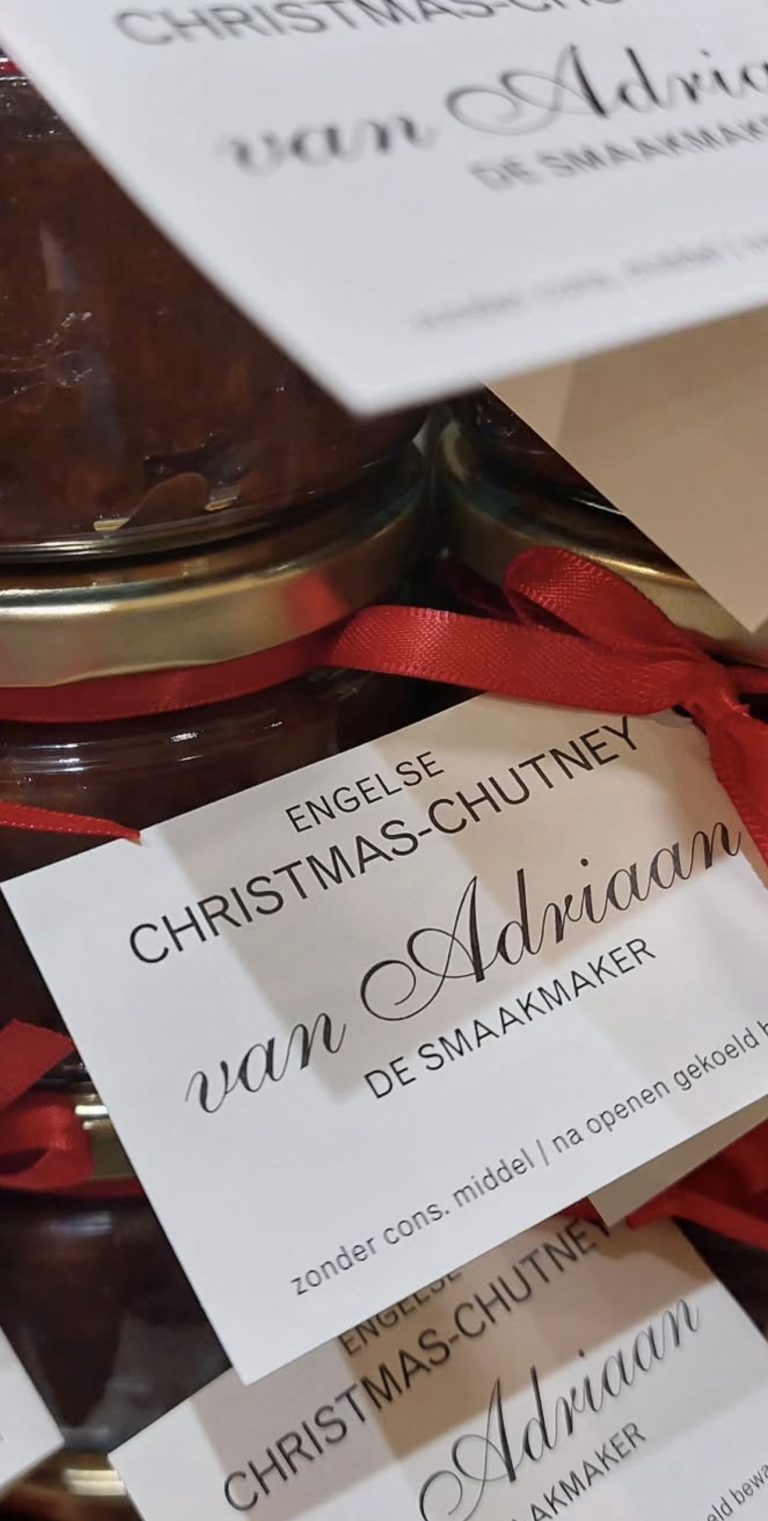
The flavours now tell two stories at once. Maastricht remains present in the herb mustard and the red wiemelkes jam, made with redcurrants. James’s English background brought marmalade and lemon curd, among other things, into the range. Together they form an appealing culinary border crossing: a Limburg cheese board gets a spoonful of chutney, a breakfast an English twist. The nice thing is that none of this requires a big cooking project. The jar only has to be opened. A spoonful next to cheese does something different from the same flavour maker stirred through a sauce. At breakfast, too, there is room for difference: the bitterness of marmalade, the freshness of berries or the softness of lemon curd each give a simple piece of bread a different direction.

So look beyond the jam you always buy. Quince and plums give breakfast a different direction than raspberries or apricots. Basil vinegar offers a way into a fresh dressing, while coarse mustard can also sit next to a piece of roast meat or on a cheese roll. Such uses are our suggestions, not complicated recipes. A well-chosen flavour maker helps to finish something with few ingredients.

Tasting is possible here and has a clear purpose. Sweetness, acidity and heat are never fully clear from a label. A chutney that works nicely with one cheese can be too pronounced with another combination. Say what you are looking for a jar for, or let your own taste decide the selection. Two distinctly different products often bring more pleasure than a bag of variants that ultimately do the same thing.

Adriaan is also a lovely gift address for people who would rather cook than collect. A small combination of mustard, jam and vinegar takes up little space and finds a place in daily life by itself. The gift does not disappear to the back of a cupboard; it is on the table the next morning. And when weeks later you use that Maastricht herb mustard again, the memory of the Sint Pieterstraat returns without a city view having to be printed anywhere.

A little Maastricht in the cupboard.

www.adriaandesmaakmaker.nl

Good food starts before dinner. Bread, cheese, charcuterie, mustard, olives and something you actually only wanted to try: Maastricht has enough small shops to make grocery shopping a serious part of the day.

Onglet, slagerij in Maastricht

Onglet

Onglet · Wyck · butcher shop · charcuterie

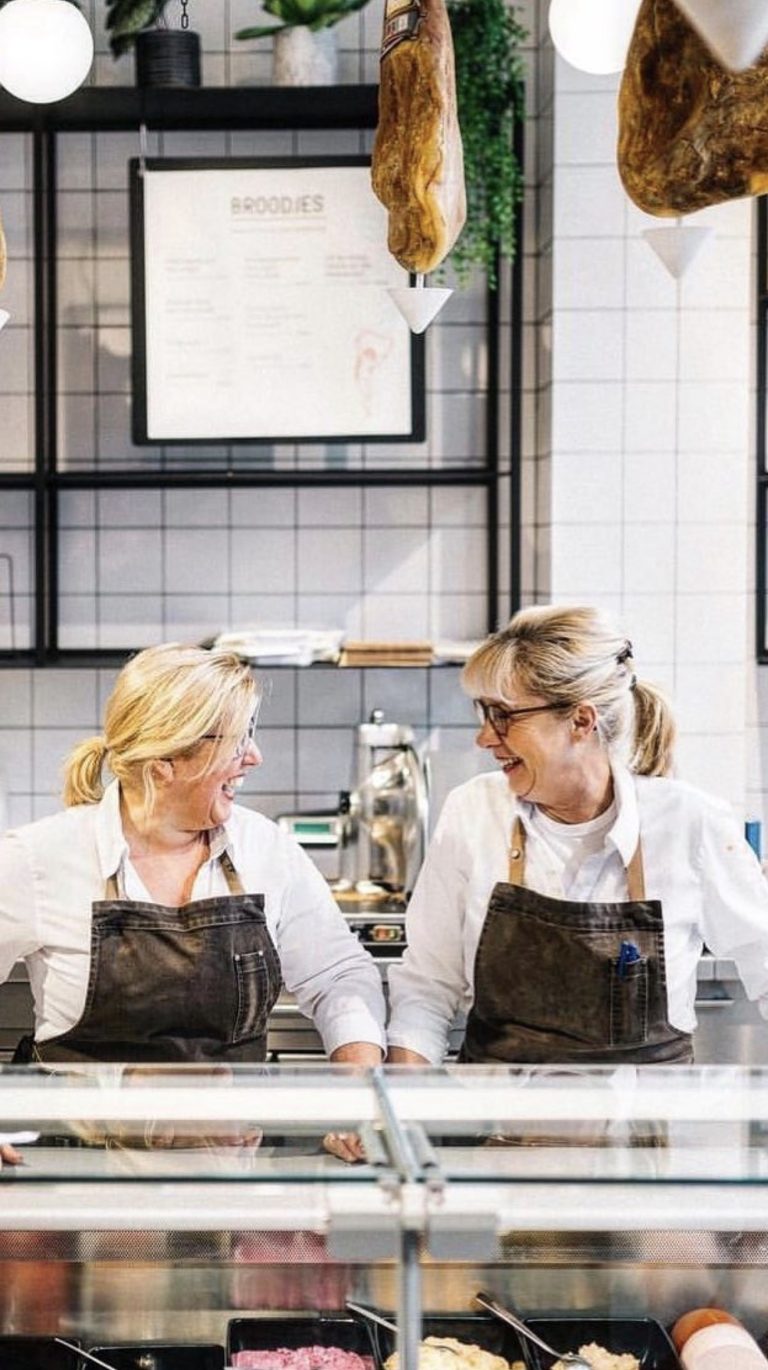
A paper-thin slice of Jamón Ibérico de Bellota brings the shop at Onglet to life at once. Borja de Hamsnijder carves the Spanish ham by hand; alongside it, cold cuts, the shop’s own grill products, salads, stews and sandwiches go home with you. At the front of the old butcher’s shop in Wyck, a different story begins from the one at the restaurant tables behind. Here you decide for yourself where and how you eat.

At Wycker Brugstraat 27, the Schürmann family’s butcher’s shop stood until 2018. When there was no successor, the family business closed. On 1 April 2019, Onglet opened in the same place, with a shop on the street and a restaurant behind it. The butchery’s history thus remained tied to the everyday use of the building. The combination makes sense: where the restaurant composes a dish, the shop lets you decide for yourself what to do with the products at home.

The collaboration with Borja gives the charcuterie a distinctly Iberian accent. Besides the Bellota ham, it is about sliced cold cuts that each have their own balance of fat, seasoning and texture. A few good slices need little company. Bread, something fresh and enough room on the board let the differences show. Anyone who wants to combine more can take the ham as a starting point and set another preparation beside it. That way a drinks board becomes a series of separate flavours, instead of a pile meant mainly to impress by quantity.

Chef Alan also takes care of the fresh meat for the shop. It comes from the restaurant kitchen and is meant to be prepared further at home in the pan or on the grill. That direct link gives the counter a function of its own within Onglet. A prepared stew takes a large part of the work out of your hands; a beautiful cut of meat leaves room for the home cook. Carien and Angelina help with the choice. That way a spontaneous idea for dinner can suddenly become much more concrete at the counter.

Onglet also offers a more direct route: the filled sandwich. That makes the shop fit an afternoon when elaborate cooking is not on the agenda. It is a small introduction to a house in which meat remains the central ingredient. The street side has its own rhythm, geared to lunch and groceries for home. A visit can therefore end with a single wrapped sandwich, while someone next to you picks out the lead role for an entire dinner. Those different moments sit side by side effortlessly.

It is precisely this independent role of the shop that makes Onglet interesting for Maastricht. An old butcher’s address gets a new culinary purpose, while something is still being sold with which a meal can begin at home. A complete restaurant experience doesn’t have to fit in a shopping bag. A few slices for the aperitif, a sandwich for the road or the main ingredient for dinner is enough. On the street side, Onglet remains an address for people who want to choose for themselves what ends up on the table.

Good things happen before the dining room.

www.onglet.nl

Drankenshop Bams, slijterij in Maastricht

Drankenshop Bams

Drankenshop Bams · Markt · spirits · family business since 1901

On the Markt, Maastricht’s history simply carries on among the bottles. Drankenshop Bams has been a family business since 1901 and has seen the transition from classic off-licence to contemporary specialist shop up close. Wine and spirits form the broad base; whisky is a distinct reason to turn off here in particular. The shop grew big on a product that is rarely in a hurry.

The address Markt 9 belongs to the origin of the business. The family remained active there while several generations found their own way into the trade. Besides the shop on the Markt, Bams also has a branch in Nazareth. So the name stands at once for a historic shop in the inner city and for a business that takes part in ordinary everyday Maastricht life. That combination gives the history more substance than a year above a door.

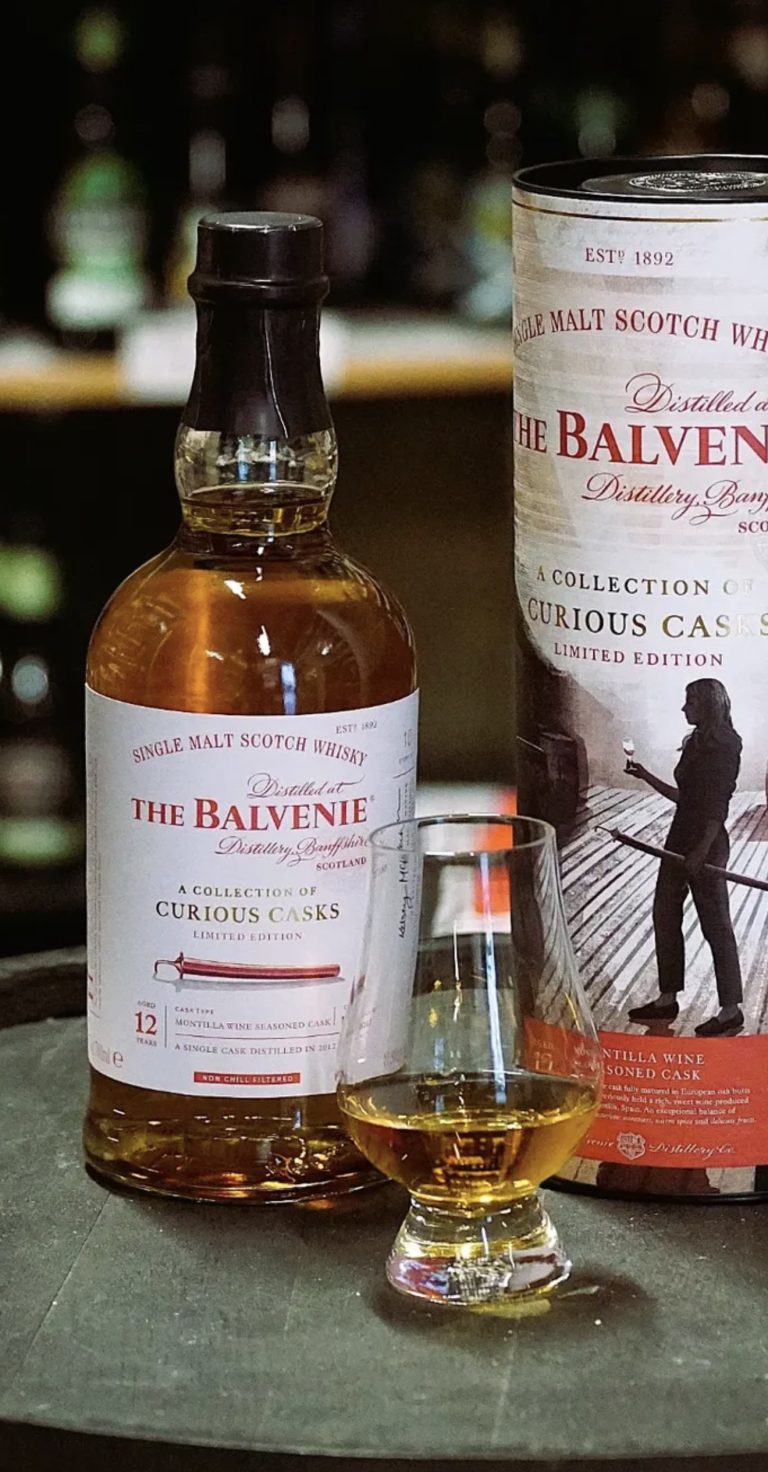
The whisky collection gives that interest familiar and less obvious names. The Macallan stands beside Tomatin, GlenAllachie and Kilchoman; bottlers such as Cadenhead’s and Signatory also appear. Bams also uses a flavour map with two axes: from smoky to delicate and from light to rich. That makes a sizeable collection manageable. A label can tell you a lot about age and origin, while the question is ultimately simpler: which style do you want in your glass? The map gives a start without suggesting that one preference is better than another.

Martijn Bams is also involved in tastings outside the shop. In 2026, for example, a whisky evening with his expertise was on the programme of Van Oys Maastricht Retreat. It underlines that the role of a specialist shop can go beyond selling: explaining flavours, setting different styles side by side and making a product understandable. For a tasting evening of your own at home, you can keep the same idea small. Choose bottles with clearly different characteristics and give each pour a moment of its own.

Anyone looking for a gift does well to bring something about the recipient. Does that person mostly drink whisky, jenever or rum? Is the bottle meant for a dedicated enthusiast or someone who is still discovering? A well-known brand name can be a safe choice, but a targeted recommendation sometimes makes for a more interesting introduction. Beyond whisky, you will come across port from Kopke, Suntory Roku gin and Chartreuse, among others. That breadth makes Bams interesting too for anyone who wants to get to know another drinks category. The familiar preference can be the start of the choice, with plenty of room for a surprising turn.

That makes Bams suit a different kind of shopping from quickly grabbing something off a shelf. The conversation starts with the person the bottle is for and ends at the moment it is opened. Sometimes that is a birthday, sometimes a long evening with friends, sometimes simply the wish to get to know something new. The family story stays present in the background. The next page is written as soon as the cork comes out.

A family name. A well-chosen bottle.

www.drankenshopbams.nl

Some bottles you buy for tonight. Others because you want to keep them until the right moment arrives on its own. A good bottle always carries a little history.

De Apostelhoeve, wijngaard in Maastricht

De Apostelhoeve

De Apostelhoeve · Louwberg · Maastricht wine · vineyard

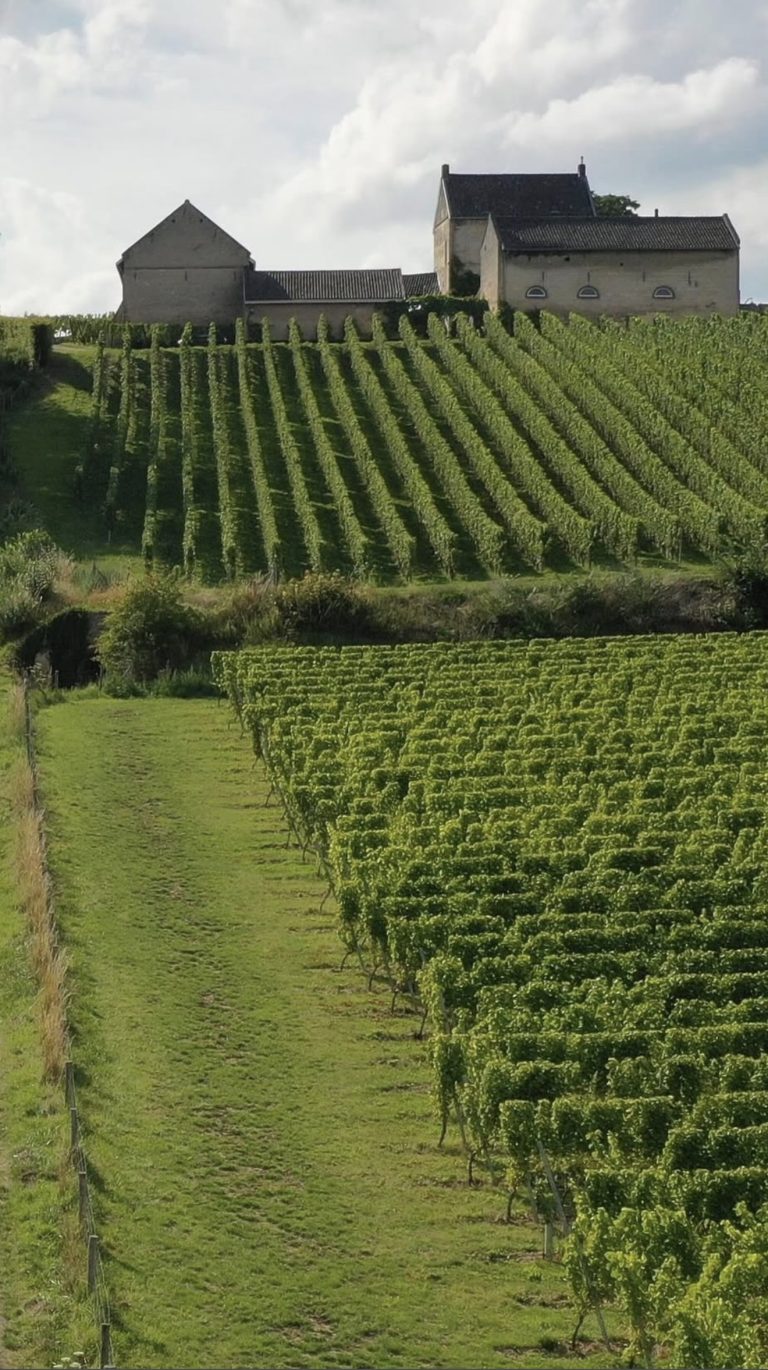
De Apostelhoeve gives Maastricht a horizon of vines. The vineyards lie on the Louwberg, with the Jekerdal at their feet. Here wine turns from a label into a visible landscape. Above the city, the story of the wine begins with the grapes themselves, long before the bottles end up at a wine merchant or on a restaurant table.

In 1970, fruit grower Hugo Hulst planted vines here. The first harvest, in 1973, yielded 1,400 bottles. What began as a new direction for a farming business grew into one of the defining names in modern Dutch winegrowing. The soil consists of marl and gravel beneath a layer of loess. Together with the location, that soil forms the concrete starting point of the story. The romance of a vineyard ultimately rests on very practical choices.

The estate works with several classic grape varieties. Müller-Thurgau, Auxerrois, Riesling and Pinot Gris are among the familiar names; Viognier, Chardonnay and Pinot Noir have also been planted. The wine list includes the Cuvée XII, Pinot Gris Barriques and sparkling wines such as Riesling Brut and Cuvée St. Pieter Brut. That gives Apostelhoeve more to offer than one recognisable local white wine. Anyone who puts the different styles side by side discovers how broadly a Maastricht estate can think.

On a visit, the shop and the tour are two separate options. You can buy wine, but a booked tour also takes you past the vineyard, the press house and the cellars, followed by a tasting. That very order gives substance to the glass. First you see the slope, then where the harvest is processed and then what ends up in the bottle. It is a pleasantly concrete introduction, even when appellations and cellar techniques are still unknown territory.

At home, it is interesting to compare a still and a sparkling wine from the same estate. Pour them at separate moments and think about which dishes go with them: an aperitif calls for something different from a creamy sauce or a richer fish dish. Those are possibilities to play with yourself. The constant is always the place of origin, while each style can get a different moment at the table. A small comparison makes clear that Dutch wine is not a single category. Even within one estate, different grapes, methods and ideas stand side by side. Recognising the name can be the beginning; after that there is still much to discover.

De Apostelhoeve suits an afternoon when you want to look at Maastricht from the outside for a while. A tour gives time to the story behind the wine, while outside the landscape tells the rest. The bottle that finally goes home therefore has a very precise origin. You know where the rows of vines stand, how the slope runs down to the valley and why this wine belongs in a Maastricht guide. A local bottle is rarely so literally local.

Maastricht, by the glass and by the hillside.

www.apostelhoeve.nl

Wèk, bakkerij in Bunde

Wèk

Wèk · Bunde · sourdough · slow bread

The most important living creature at Wèk is called Roshein. It is the sourdough with which Willem and Kyra bake their bread: a culture that is fed, given time and forms the starting point anew every day. That gives this bakery in Bunde a main character of its own right away. For good bread, crossing the Maastricht city limits for a moment is well worth it.

Willem and Kyra deliberately chose a different working life. Their interest in cooking and baking had existed far longer than the bakery; retraining and the step to their own business eventually followed. Wèk builds on a short list of ingredients: flour, water, salt and sourdough. The bakers choose stone-ground flour and work without artificial additives. That simplicity demands attentiveness. Temperature, moisture and the development of the dough can’t be fully governed by a fixed timer.

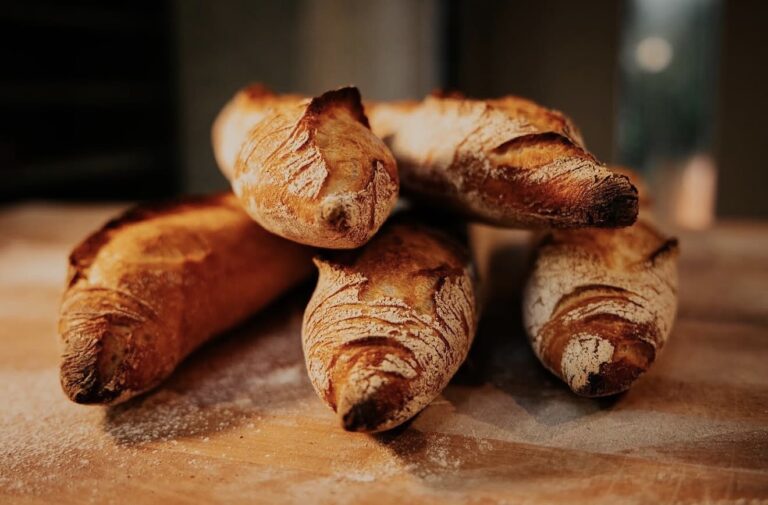
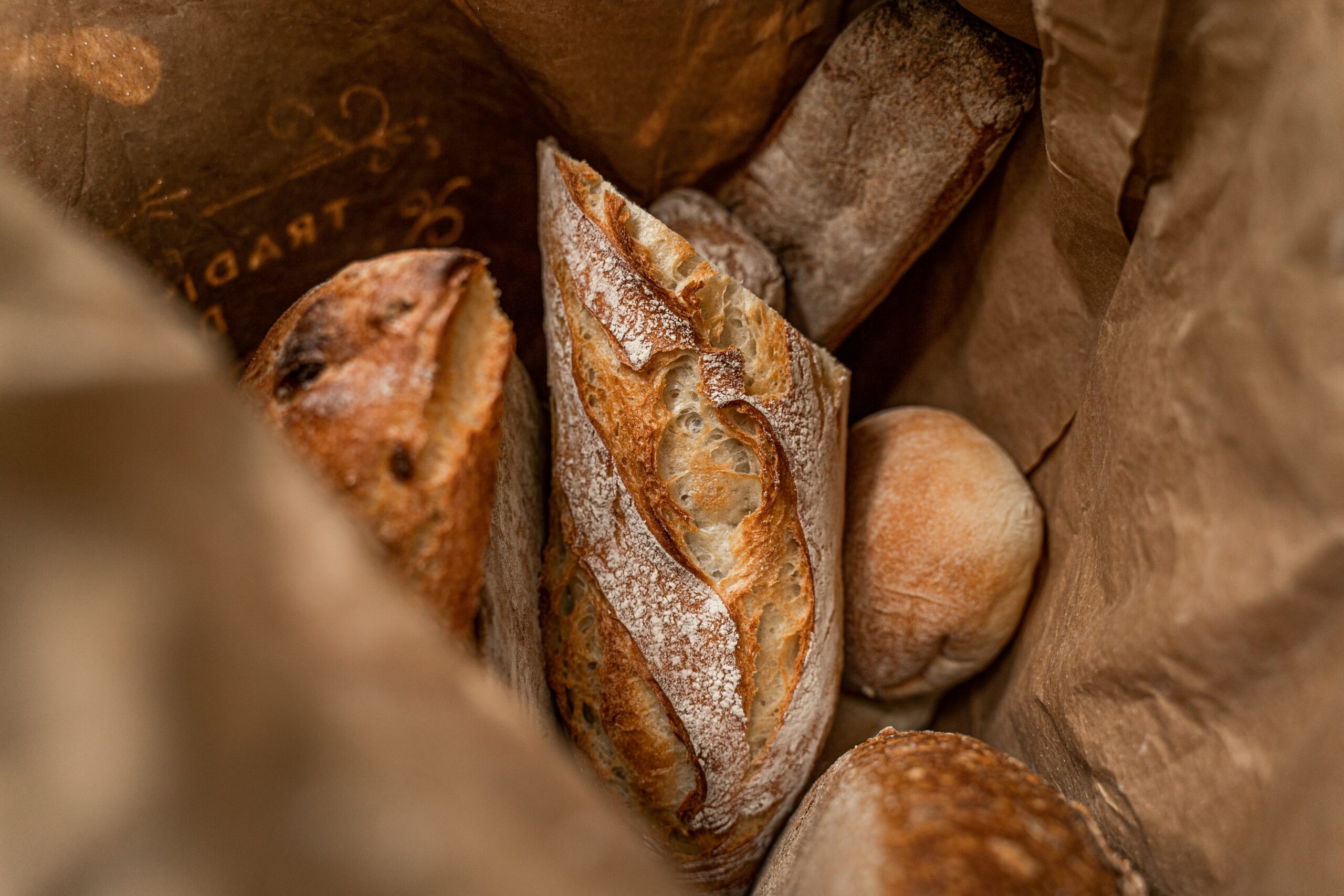
The range shows that sourdough can yield more flavours and textures than one big farmhouse loaf. The shop’s own order list includes Oberlander, nut bread, multigrain bread, Danish rye bread and pain de seigle rustique, among others. The baguette de tradition française offers yet another perspective. Anyone who likes to choose bread to go with a meal has something to compare here: a hearty rye bread calls for a different pairing than a lighter baguette or a loaf in which the nuts are clearly present.

Then there is the buttery side of the bakery. Croissants, pain au chocolat and pain aux raisins are part of the offering. Granola also has a place in the bakery. In Bunde you can also sit down for breakfast, lunch or coffee with something sweet. So the visit doesn’t have to end as soon as the bread is wrapped. The coffee makes it a resting point, with the bakery’s production as its backdrop. That gives the morning a different tempo from a quick order on the way to something else.

What sets Wèk apart is that the bread itself remains the reason for the detour. The names speak of grains and methods, not of an elaborate shop concept. At home you can explore the difference easily: cut a first slice without toppings and only then add butter or cheese. That makes clear what the crust, crumb and fermentation already contribute. It is not a pop quiz, just a way of getting to know a purchase a little better.

The day after, bread can still play a role. A thick toasted slice makes a base for lunch, while a leftover piece of nut bread can go well on a cheese board. The different loaves each get a sequel of their own: rye with a savoury lunch, a baguette alongside dinner, nut bread toasted once more later. The choice of one loaf can influence several meals without the preparation becoming more complicated. In this way Wèk gives a daily staple renewed weight. A lot of time goes in before the bread is ready; the visitor takes away something with which the rest of the day can begin very simply.

Roshein did the hard work.

www.bakkerwek.nl

Butter, bread, something sweet. Some city guide categories don't need to be made any more complicated than that. Good dough, real butter, chocolate and enough discipline not to eat everything on the way.

Patisserie Royale, patisserie in Maastricht

Patisserie Royale

Patisserie Royale · Wyck · patisserie · since 1929

Some shop windows make a walk more dangerous. Royale has been doing it since 1929.

Patisserie Royale is exactly the kind of specialist shop that suddenly makes a shopping bag essential. The patisserie opened in 1929 and is continued by the third generation. Limburg vlaai sits alongside classic pastries and patisserie from the shop’s own bakery. The selection gives you plenty of reason to browse at leisure and, above all, to ask questions.

That is the charm. By now the shop almost belongs to the Wycker Brugstraat itself. In Wyck, a visit like this also slots easily into a longer stroll past other small addresses. Before you know it, lunch consists of things that were really meant to be taken home.

Good delicatessens don’t just sell products; they provide context. Where does something come from, how do you eat it, what do you drink with it and which piece would you choose today? That gives quality meaning without everything having to be complicated.

That makes Patisserie Royale more than just a practical address. It is a place where Maastricht makes its Burgundian reputation tangible: not through big words, but by simply taking bread, wine, cheese, meat, coffee, chocolate or any other product seriously.

Since 1929. Still a very good idea.

www.patisserieroyale.nl

Bakkerij Mathieu Hermans, bakkerij in Maastricht

Bakkerij Mathieu Hermans

Bakkerij Mathieu Hermans · Centrum · bakery · Limburgse vlaai

Not every good baker has to become a concept. Sometimes local is the luxury.

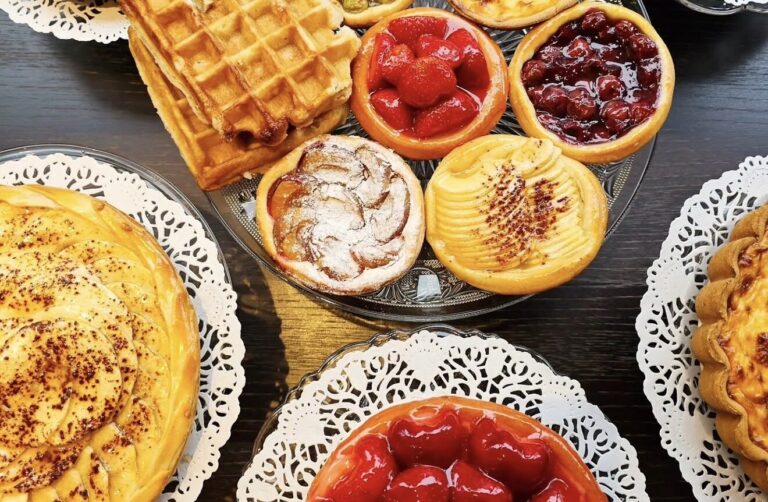
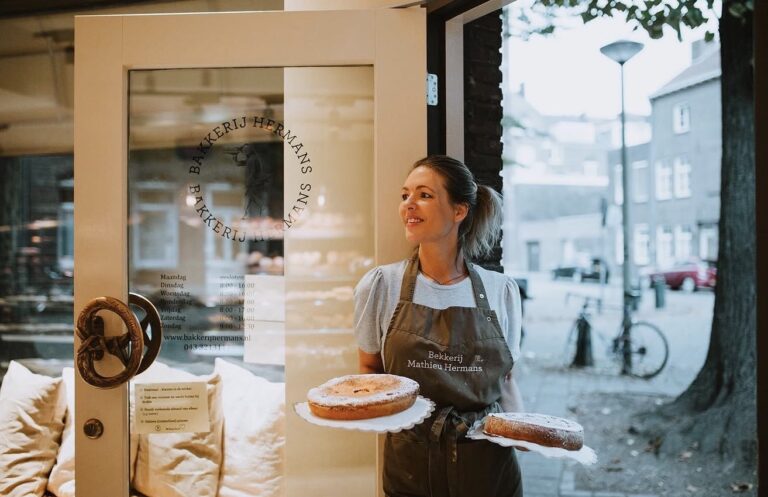
At Bakkerij Mathieu Hermans, good eating begins well before a plate reaches the table. Bread, rolls, sugar buns, pastries and a wide selection of Limburg vlaai form the core. That makes the shop feel more like an address for enthusiasts than a place where you just pick something up in a hurry.

It is the kind of shop where locals were already walking in long before city guides discovered the address. The city centre also suits the ritual of popping in, tasting, asking for advice and ultimately taking home more than you planned. That is not a flaw in the planning here, but more or less the whole point.

Craftsmanship quickly becomes a big word, whereas in good specialist shops it is very concrete. It lies in product knowledge, provenance, freshness, technique and someone behind the counter who can honestly tell you what is best today. Here, that substance comes first. The presentation may be beautiful, but it has to support the product.

That is why Bakkerij Mathieu Hermans stays interesting even when your fridge at home is still far away. Take something for later, put together a drinks spread on the spot, or let one good product decide what ends up on the table tonight. Maastricht is just as interesting for food outside restaurants as inside them.

No story needed. Just take the vlaai.

www.bakkerijhermans.nl

Gembira, Indonesische traiteur in Maastricht

Gembira

Gembira · Wyck · Indonesian traiteur · rijsttafel

Gembira solves one specific problem brilliantly: a craving for rijsttafel without washing twelve pans.

Gembira is exactly the kind of specialist shop that suddenly makes a shopping bag essential. The Indonesian dishes are freshly prepared daily and can be combined into a complete rijsttafel for home. The selection gives you plenty of reason to browse at leisure and, above all, to ask questions.

That is the charm. If you don’t want to choose, you can ask for advice and only have to put plates on the table at home. In Wyck, a visit like this also slots easily into a longer stroll past other small addresses. Before you know it, lunch consists of things that were really meant to be taken home.

Good delicatessens don’t just sell products; they provide context. Where does something come from, how do you eat it, what do you drink with it and which piece would you choose today? That gives quality meaning without everything having to be complicated.

That makes Gembira more than just a practical address. It is a place where Maastricht makes its Burgundian reputation tangible: not through big words, but by simply taking bread, wine, cheese, meat, coffee, chocolate or any other product seriously.

Take it home. Pretend you cooked.

www.gembira-maastricht.nl

Cato by Cato, afhaalzaak in Maastricht

Cato by Cato

Cato by Cato · Jekerkwartier · take-away · fresh food

Cato sits right between cooking yourself and ordering in.

At Cato by Cato , good eating begins well before a plate reaches the table. The counter is full of freshly prepared dishes that can be taken away individually or as a complete meal. The kitchen looks beyond a single country or style. That makes the shop feel more like an address for enthusiasts than a place where you just pick something up in a hurry.

Handy on a weeknight and at least as handy when guests are coming and nobody needs to know how much work you did yourself. The Jekerkwartier also suits the ritual of popping in, tasting, asking for advice and ultimately taking home more than you planned. That is not a flaw in the planning here, but more or less the whole point.

Craftsmanship quickly becomes a big word, whereas in good specialist shops it is very concrete. It lies in product knowledge, provenance, freshness, technique and someone behind the counter who can honestly tell you what is best today. Here, that substance comes first. The presentation may be beautiful, but it has to support the product.

That is why Cato by Cato stays interesting even when your fridge at home is still far away. Take something for later, put together a drinks spread on the spot, or let one good product decide what ends up on the table tonight. Maastricht is just as interesting for food outside restaurants as inside them.

Your secret is safe with us.

www.cato-catering.nl

Butter, bread, cheese: the essentials. Add Limburg vlaai, charcuterie, homemade mustard and a good bottle of wine and Maastricht starts to sum up quite nicely what Burgundian Limburg means. Not complicated. Just very good.

De Bisschopsmolen, bakkerij in Maastricht

De Bisschopsmolen

De Bisschopsmolen Jekerkwartier · watermill · bakery

At De Bisschopsmolen, bread begins a few steps before the bakery.

De Bisschopsmolen is exactly the kind of specialist shop that suddenly makes a shopping bag essential. Limburg grains are processed in the historic watermill; next to the mill, they are used to bake sourdough bread and Limburg vlaai, among other things. The selection gives you plenty of reason to browse at leisure and, above all, to ask questions.

That is the charm. That keeps the story from grain to product literally visible during a visit. In the Jekerkwartier, a visit like this also slots easily into a longer stroll past other small addresses. Before you know it, lunch consists of things that were really meant to be taken home.

Good delicatessens don’t just sell products; they provide context. Where does something come from, how do you eat it, what do you drink with it and which piece would you choose today? That gives quality meaning without everything having to be complicated.

That makes De Bisschopsmolen more than just a practical address. It is a place where Maastricht makes its Burgundian reputation tangible: not through big words, but by simply taking bread, wine, cheese, meat, coffee, chocolate or any other product seriously.

From grain to vlaai.

www.bisschopsmolen.nl

Slagerij Franssen, slagerij in Maastricht

Slagerij Franssen

Slagerij Franssen · Jekerkwartier · butcher · Maastricht classic

Four generations of craftsmanship fit surprisingly well behind a single counter.

At Slagerij Franssen, good eating begins well before a plate reaches the table. Butchery has been family history here since 1908. Sausages, cold cuts, blood sausage and several pâtés are made in-house. That makes the shop feel more like an address for enthusiasts than a place where you just pick something up in a hurry.

Ready-made dishes and Maastricht classics also make it easy to walk out with more than just meat. The Jekerkwartier also suits the ritual of popping in, tasting, asking for advice and ultimately taking home more than you planned. That is not a flaw in the planning here, but more or less the whole point.

Craftsmanship quickly becomes a big word, whereas in good specialist shops it is very concrete. It lies in product knowledge, provenance, freshness, technique and someone behind the counter who can honestly tell you what is best today. Here, that substance comes first. The presentation may be beautiful, but it has to support the product.

That is why Slagerij Franssen stays interesting even when your fridge at home is still far away. Take something for later, put together a drinks spread on the spot, or let one good product decide what ends up on the table tonight. Maastricht is just as interesting for food outside restaurants as inside them.

Four generations. Still cutting it.

www.slagerij-franssen.nl

Gelateria Luna Rossa, ijssalon in Maastricht

Gelateria Luna Rossa

Gelateria Luna Rossa Wyck & Stokstraat kwartier · Italian gelato

Some addresses need no long explanation. Good ice cream is an excellent example.

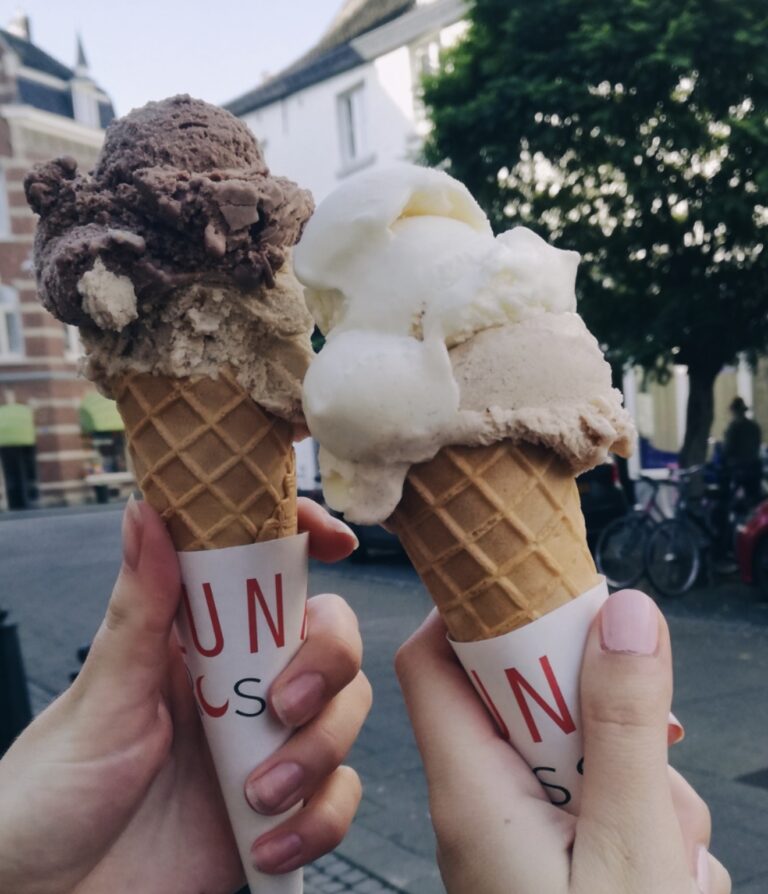
Gelateria Luna Rossa is exactly the kind of specialist shop that suddenly makes a shopping bag essential. Luna Rossa makes artisan Italian gelato and has locations in both Wyck and the Stokstraatkwartier. The selection gives you plenty of reason to browse at leisure and, above all, to ask questions.

That is the charm. On warm days, one of the branches almost always sits conveniently on your walking route. In Wyck & Stokstraatkwartier, a visit like this also slots easily into a longer stroll past other small addresses. Before you know it, lunch consists of things that were really meant to be taken home.

Good delicatessens don’t just sell products; they provide context. Where does something come from, how do you eat it, what do you drink with it and which piece would you choose today? That gives quality meaning without everything having to be complicated.

That makes Gelateria Luna Rossa more than just a practical address. It is a place where Maastricht makes its Burgundian reputation tangible: not through big words, but by simply taking bread, wine, cheese, meat, coffee, chocolate or any other product seriously.

Two is planning.

gelateria-luna-rossa

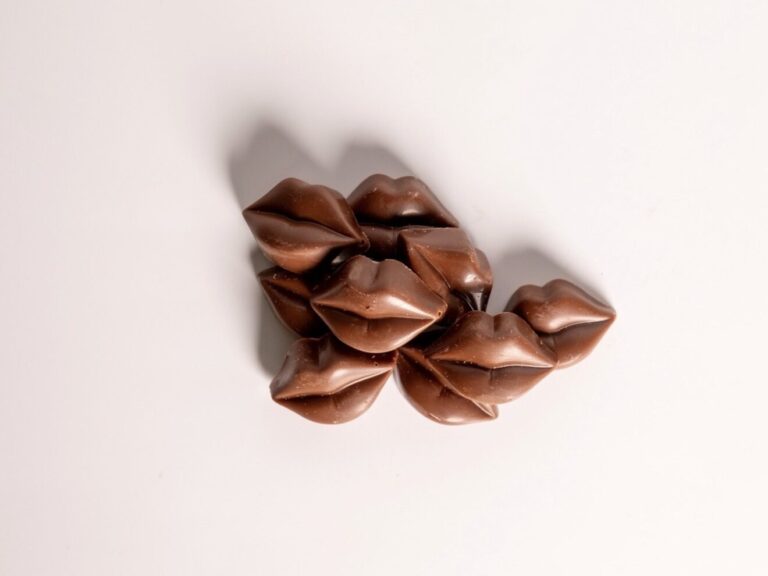
Something sweet for later. In Maastricht, that is usually an optimistic intention. Patisserie, chocolate and gelato have an annoying habit here of not fully surviving the walk home.

Smores, patisserie in Maastricht

Smores

Wyck · French patisserie · macarons & chocolate

Smores treats patisserie almost as if it were design.

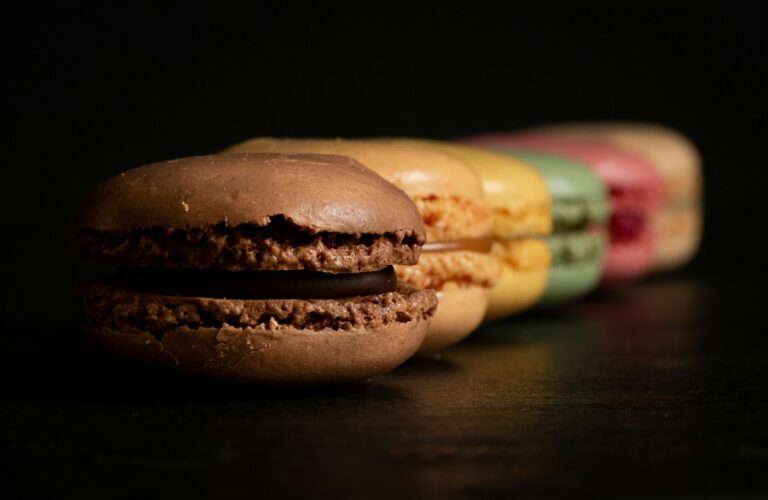
Tarts, macarons, chocolate, croissants and French patisserie are sleekly presented, but behind that look lies serious craftsmanship. The range moves between classic French techniques and a more modern presentation.

Too pretty to eat straight away is, thankfully, not a valid reason not to.

Pretty dangerous.

www.smores.nl

Chocolatier Friandises, chocolatier in Maastricht

Chocolatier Friandises

Friandises · Wyck · chocolatier · handmade pralines

At Friandises, chocolate is still treated as a family business.

At Friandises, good eating begins well before a plate reaches the table. The pralines are made by hand in the shop’s own atelier following old family recipes, supplemented by newer creations. That makes the shop feel more like an address for enthusiasts than a place where you just pick something up in a hurry.

Dozens of flavours make choosing harder than the size of the box suggests. Wyck also suits the ritual of popping in, tasting, asking for advice and ultimately taking home more than you planned. That is not a flaw in the planning here, but more or less the whole point.

Craftsmanship quickly becomes a big word, whereas in good specialist shops it is very concrete. It lies in product knowledge, provenance, freshness, technique and someone behind the counter who can honestly tell you what is best today. Here, that substance comes first. The presentation may be beautiful, but it has to support the product.

That is why Friandises stays interesting even when your fridge at home is still far away. Take something for later, put together a drinks spread on the spot, or let one good product decide what ends up on the table tonight. Maastricht is just as interesting for food outside restaurants as inside them.

Chocolate has a way of disappearing.

www.friandisesmaastricht.nl

Sweet deserves a good address too. Maastricht has a remarkably strong collection of specialist shops and delicatessens. Small shops, beautiful packaging and usually something that won't make it to the end of the walk.

DARQ, chocolaterie in Maastricht

DARQ

DARQ · Stokstraatkwartier · chocolate · contemporary

DARQ proves that a chocolatier doesn’t have to look like a classic bonbon shop.

DARQ is exactly the kind of specialist shop that suddenly makes a shopping bag essential. The chocolate is made in Maastricht and combines dark and milk chocolate with fruit, spices and nuts. Downstairs you can look into the Chocolate Lab. The selection gives you plenty of reason to browse at leisure and, above all, to ask questions.

That is the charm. The sleek presentation and packaging also make it a strong address for gifts. In the Stokstraatkwartier, a visit like this also slots easily into a longer stroll past other small addresses. Before you know it, lunch consists of things that were really meant to be taken home.

Good delicatessens don’t just sell products; they provide context. Where does something come from, how do you eat it, what do you drink with it and which piece would you choose today? That gives quality meaning without everything having to be complicated.

That makes DARQ more than just a practical address. It is a place where Maastricht makes its Burgundian reputation tangible: not through big words, but by simply taking bread, wine, cheese, meat, coffee, chocolate or any other product seriously.

Modern Maastricht, but edible.

www.darqmaastricht.com

KOFFIE bij Joost & Maartje, koffiebar in Maastricht

KOFFIE bij Joost & Maartje

KOFFIE · Jekerkwartier · coffee · breakfast & lunch

Good coffee doesn’t automatically have to become a big story about coffee.

At KOFFIE bij Joost en Maartje, good eating begins well before a plate reaches the table. The small coffee bar focuses on breakfast, lunch, homemade pastries and coffee, with no booking system or needless formality. That makes the shop feel more like an address for enthusiasts than a place where you just pick something up in a hurry.

Twenty minutes of coffee easily turns into an hour here. The Jekerkwartier also suits the ritual of popping in, tasting, asking for advice and ultimately taking home more than you planned. That is not a flaw in the planning here, but more or less the whole point.

Craftsmanship quickly becomes a big word, whereas in good specialist shops it is very concrete. It lies in product knowledge, provenance, freshness, technique and someone behind the counter who can honestly tell you what is best today. Here, that substance comes first. The presentation may be beautiful, but it has to support the product.

That is why KOFFIE bij Joost en Maartje stays interesting even when your fridge at home is still far away. Take something for later, put together a drinks spread on the spot, or let one good product decide what ends up on the table tonight. Maastricht is just as interesting for food outside restaurants as inside them.

One more coffee.

www.wijmakenkoffie.nl

Maison Blanche Dael, koffie- en theezaak in Maastricht

Maison Blanche Dael

Blanche Dael · Centrum · coffee & tea · since 1878

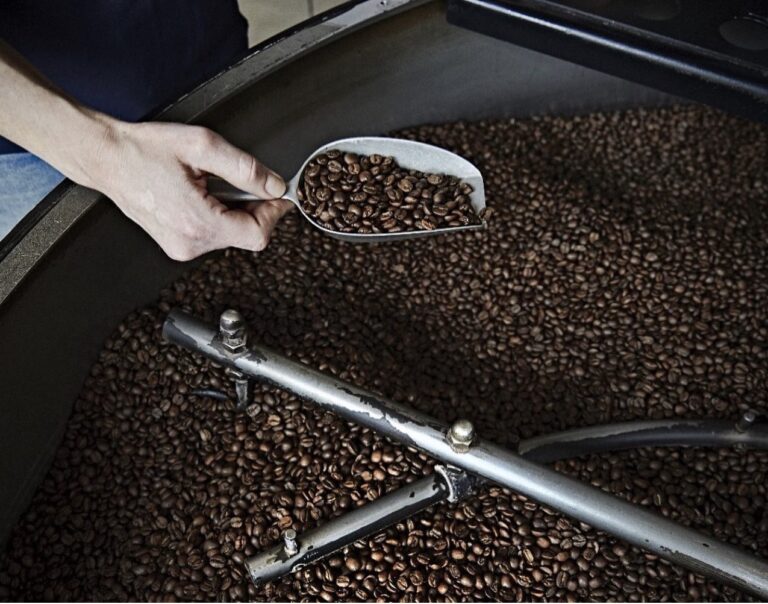
Some scents belong to a city. Freshly roasted coffee can be one of them.

Blanche Dael is exactly the kind of specialist shop that suddenly makes a shopping bag essential. Blanche Dael has been roasting coffee in Maastricht since 1878 and combines that history with a wide range of coffee and tea. The selection gives you plenty of reason to browse at leisure and, above all, to ask questions.

That is the charm. For visitors it is a lovely product to take home; for the city it feels almost like drinkable heritage. In the city centre, a visit like this also slots easily into a longer stroll past other small addresses. Before you know it, lunch consists of things that were really meant to be taken home.

Good delicatessens don’t just sell products; they provide context. Where does something come from, how do you eat it, what do you drink with it and which piece would you choose today? That gives quality meaning without everything having to be complicated.

That makes Blanche Dael more than just a practical address. It is a place where Maastricht makes its Burgundian reputation tangible: not through big words, but by simply taking bread, wine, cheese, meat, coffee, chocolate or any other product seriously.

Heritage you can drink.

www.blanchedael.nl

Thiessen Wijnkopers, wijnhandel in Maastricht

Thiessen Wijnkopers

Thiessen Wijnkopers · Centrum · wine merchant · historic cellars

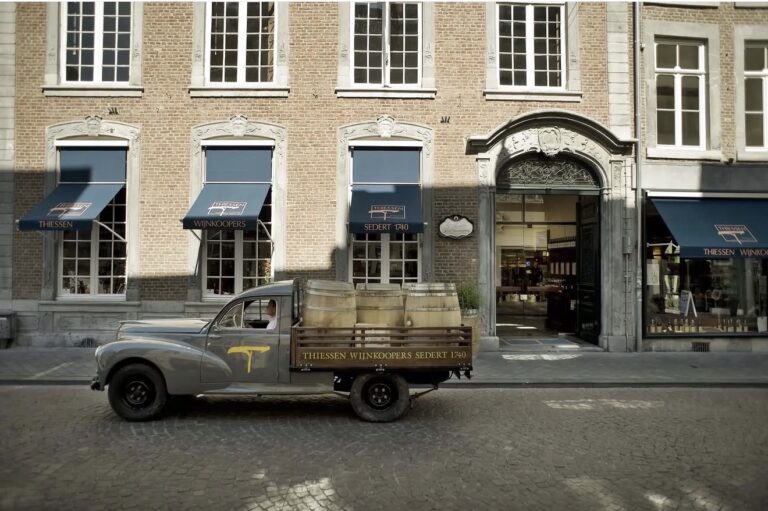
Selling wine for more than three centuries naturally gives a shop context.

At Thiessen Wijnkopers, good eating begins well before a plate reaches the table. The wine house dates back to 1717 and sits on the Grote Gracht above historic wine cellars. That makes the shop feel more like an address for enthusiasts than a place where you just pick something up in a hurry.

Besides selling wine, Thiessen organises tastings, tours and events, which makes going down below at least as interesting as shopping. The city centre also suits the ritual of popping in, tasting, asking for advice and ultimately taking home more than you planned. That is not a flaw in the planning here, but more or less the whole point.

Craftsmanship quickly becomes a big word, whereas in good specialist shops it is very concrete. It lies in product knowledge, provenance, freshness, technique and someone behind the counter who can honestly tell you what is best today. Here, that substance comes first. The presentation may be beautiful, but it has to support the product.

That is why Thiessen Wijnkopers stays interesting even when your fridge at home is still far away. Take something for later, put together a drinks spread on the spot, or let one good product decide what ends up on the table tonight. Maastricht is just as interesting for food outside restaurants as inside them.

Going downstairs is much better.

www.thiessen.nl

Maastricht and South Limburg have taken wine ever more seriously, from historic wine cellars and independent wine shops to organic and biodynamic producers in the hill country.

A La Paco, Spaanse delicatessen in Maastricht

A La Paco

A La Paco · Centrum · Spanish deli · tapas

Spain is simply on the Bredestraat in Maastricht.

A La Paco is exactly the kind of specialist shop that suddenly makes a shopping bag essential. The Spanish delicatessen fills its counter with serrano ham, chorizo, manchego, olives, tapas and other products. The selection gives you plenty of reason to browse at leisure and, above all, to ask questions.

That is the charm. You can take something home or linger over a sandwich and a little something. In the city centre, a visit like this also slots easily into a longer stroll past other small addresses. Before you know it, lunch consists of things that were really meant to be taken home.

Good delicatessens don’t just sell products; they provide context. Where does something come from, how do you eat it, what do you drink with it and which piece would you choose today? That gives quality meaning without everything having to be complicated.

That makes A La Paco more than just a practical address. It is a place where Maastricht makes its Burgundian reputation tangible: not through big words, but by simply taking bread, wine, cheese, meat, coffee, chocolate or any other product seriously.

Un poco de España. Right here.

www.a-la-paco.nl

't Rommedoeke, kaas- en delicatessenwinkel in Maastricht

’t Rommedoeke

‘t Rommedoeke · Maastricht · cheese & charcuterie · delicatessen

A Maastricht guide to delicatessens without Rommedoeke would simply feel incomplete.

At ‘t Rommedoeke, good eating begins well before a plate reaches the table. Cheese is the foundation, from Dutch farmhouse cheese to French, Belgian, Italian and Swiss varieties. Charcuterie, olives, salads, nuts and wine round out the shop. That makes it feel more like an address for enthusiasts than a place where you just pick something up in a hurry.

Naturally, rommedoe, the Limburg cheese that gave the shop its name, is not missing either. Maastricht also suits the ritual of popping in, tasting, asking for advice and ultimately taking home more than you planned. That is not a flaw in the planning here, but more or less the whole point.

Craftsmanship quickly becomes a big word, whereas in good specialist shops it is very concrete. It lies in product knowledge, provenance, freshness, technique and someone behind the counter who can honestly tell you what is best today. Here, that substance comes first. The presentation may be beautiful, but it has to support the product.

That is why ‘t Rommedoeke stays interesting even when your fridge at home is still far away. Take something for later, put together a drinks spread on the spot, or let one good product decide what ends up on the table tonight. Maastricht is just as interesting for food outside restaurants as inside them.

Say cheese. Preferably Limburgs.

www.rommedoeke.nl

Le Souk, delicatessenwinkel in Maastricht

Le Souk

Le Souk · Jekerkwartier · North African deli · mezze

At Le Souk, you don’t have to look far for colour or scent.

Le Souk is exactly the kind of specialist shop that suddenly makes a shopping bag essential. Olives, hummus, feta, grilled vegetables, peppers, herbs and other North African and Mediterranean products fill the counter. The selection gives you plenty of reason to browse at leisure and, above all, to ask questions.

That is the charm. Rolls are also made to order, with falafel, merguez, köfte and chicken, among other fillings. In the Jekerkwartier, a visit like this also slots easily into a longer stroll past other small addresses. Before you know it, lunch consists of things that were really meant to be taken home.

Good delicatessens don’t just sell products; they provide context. Where does something come from, how do you eat it, what do you drink with it and which piece would you choose today? That gives quality meaning without everything having to be complicated.

That makes Le Souk more than just a practical address. It is a place where Maastricht makes its Burgundian reputation tangible: not through big words, but by simply taking bread, wine, cheese, meat, coffee, chocolate or any other product seriously.

Trust the counter.

www.lesoukmaastricht.nl

Maastricht travels well. Spain, Italy, Indonesia, Turkey and North Africa are sometimes only a few streets apart here. Happily, a city trip doesn't need passport control when it comes to food.

Le Poissonnier, viswinkel in Maastricht

Le Poissonnier

Le Poissonnier · Jekerkwartier · fishmonger · seafood

Good fish asks above all for one thing: a shop that knows what to do with it.

At Le Poissonnier, good eating begins well before a plate reaches the table. The fishmonger focuses on fresh fish, shellfish and fruits de mer, from something simple for home to oysters and lobster. That makes the shop feel more like an address for enthusiasts than a place where you just pick something up in a hurry.

Ask what is good that day and only then build the menu; that works better here than the other way round. The Jekerkwartier also suits the ritual of popping in, tasting, asking for advice and ultimately taking home more than you planned. That is not a flaw in the planning here, but more or less the whole point.

Craftsmanship quickly becomes a big word, whereas in good specialist shops it is very concrete. It lies in product knowledge, provenance, freshness, technique and someone behind the counter who can honestly tell you what is best today. Here, that substance comes first. The presentation may be beautiful, but it has to support the product.

That is why Le Poissonnier stays interesting even when your fridge at home is still far away. Take something for later, put together a drinks spread on the spot, or let one good product decide what ends up on the table tonight. Maastricht is just as interesting for food outside restaurants as inside them.

Fresh first. Everything else follows.

www.lepoissonnier.nl

Le Salonard, delicatessenwinkel in Maastricht

Le Salonard

Le Salonard · Jekerkwartier · cheese · bread & wine

Some shops make grocery shopping dangerously easy.

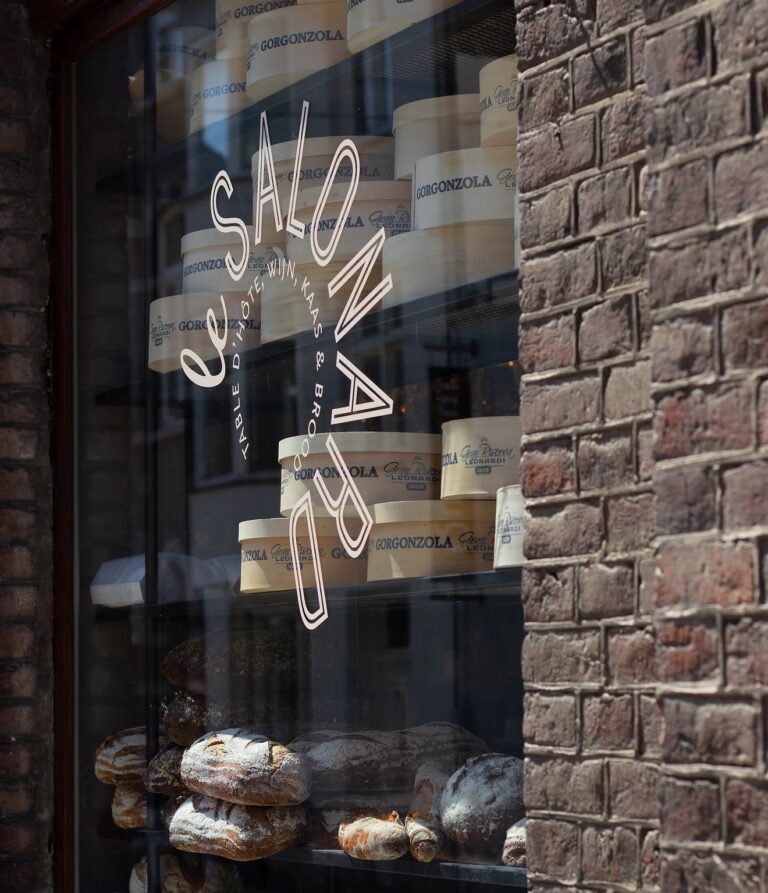
Le Salonard is exactly the kind of specialist shop that suddenly makes a shopping bag essential. Bread, cheese, charcuterie, wine, olives and other delicacies sit side by side so naturally that the dinner plan usually only takes shape in the shop. The selection gives you plenty of reason to browse at leisure and, above all, to ask questions.

That is the charm. Good bread, a few cheeses, something sliced and a bottle to go with it: an evening doesn’t need to be much more complicated than that. In the Jekerkwartier, a visit like this also slots easily into a longer stroll past other small addresses. Before you know it, lunch consists of things that were really meant to be taken home.

Good delicatessens don’t just sell products; they provide context. Where does something come from, how do you eat it, what do you drink with it and which piece would you choose today? That gives quality meaning without everything having to be complicated.

That makes Le Salonard more than just a practical address. It is a place where Maastricht makes its Burgundian reputation tangible: not through big words, but by simply taking bread, wine, cheese, meat, coffee, chocolate or any other product seriously.

French table. Maastricht address.

www.lesalonard.shop

CINQ Favourites. The bakers, butchers, wine shops, caterers, chocolatiers and delicatessens where Maastricht shows how seriously it takes good food, even when there is no restaurant table involved.Enjoy Maastricht.