

Boutiques

Maastricht wears fashion in its own way. No grand boulevards, but small doors, listed facades and shops you sometimes only spot once you know where to look. In the Stokstraat quarter you will find The Row and Prada a few steps from Italian tailoring. Across the Maas, Wyck has a completely different rhythm. Independent boutiques, vintage and Scandinavian design dominate there. Many shops care little about what a classic shopping street is supposed to look like. This is not a complete overview, nor a ranking. These are the CINQ Favourites: shops with a clear point of view, an interesting collection and enough personality to be worth a detour. Some you visit for an investment piece. Others surprise you with something you did not know you needed five minutes earlier.
Kiki Niesten, modezaak in Maastricht

Kiki Niesten

Kiki Niesten · Stokstraatkwartier · high fashion · international designers 

A fashion shop can become an address; Kiki Niesten became a reason to come to Maastricht. Since 1979 she has been building her view of international womenswear on the Stokstraat. The business bears her name and her preferences. That personal authorship is recognisable even among the big fashion houses: Kiki’s selection is the starting point of the shop at Stokstraat 28-32.

Prada and Miu Miu appear on the list of brands alongside Alaïa, The Row, Dries Van Noten and Jil Sander. Khaite, Toteme, Lisa Yang, Extreme Cashmere and Fforme are also part of the range. The company includes established houses and younger names, with widely differing ideas about volume, colour and everyday wear. As a result, the shop shows several developments in international womenswear in one place. Kiki’s long relationship with the trade takes on fresh substance every season through the designers she brings together.

In 2025 the main shop underwent a thorough renovation led by Maurice Mentjens. The ceilings were removed to create more height, and the double entrance made way for a single doorway. A counter of brown Emperador marble with white veins became an eye-catcher. Belgian bluestone and wenge wood give the interior its own palette of materials. The renewed space became warmer and more accessible, without the shop having to get any bigger.

Mentjens had known Kiki’s world for a long time. In 2006 he designed Kiki2; ten years later he gave that same shop, by then called Kiki’s Stocksale, a light interior with dots, mirrors and long lines. That project showed how a narrow building can take on a different scale through its presentation. The collaboration therefore spans several chapters and several shop concepts. The 2025 renovation of the main shop builds on a longer conversation between entrepreneur and designer. The Stocksale project received a German Design Award in Gold and an Iconic Award in 2017, which brought the shop’s architecture international recognition too.

An earlier collaboration also remained visible. Furniture from the Herman Zeekaf period was given a place again; the fitting rooms kept the fabric he had chosen. That gives the shop a memory. Kiki also guards her independence from the fashion houses: the shop gets its coherence from her own style. An international list of brands can thus exist within an interior that remains a distinctly Maastricht and personal address, with elements that have long belonged to the business.

For visitors interested in both fashion and shop architecture, Kiki Niesten therefore offers two equally good reasons to visit the Stokstraat. The collection shows her view of what designers are making now; the space tells how she has worked with other makers over the years. Simply browsing is also very much part of her idea of accessibility. In that sense the shop is both a selection and a personal archive: new clothes appear among choices that have been linked to Kiki for much longer.

Queen of fashion.
www.kikiniesten.nl

Maastricht does luxury quietly. Not a boulevard full of flagship stores, but monumental façades, discreet shop windows and shops where the collection is what counts.

Casualchic by Harold, herenmode in Maastricht

Casualchic by Harold

Casualchic · Stokstraatkwartier · Italian menswear · tailoring

A blazer that works on a day off, a shirt that convinces without a tie: Casualchic by Harold has put its field of work in the name. At Stokstraat 20 Harold van Wissen brings together his experience with Italian ateliers. Four decades in menswear form the background of a shop in which ready-to-wear and made-to-measure each have a clear place.

Harold knows the Italian houses from his own visits and has built his contacts over that career. Maurizio Baldassari and Slowear give the collection recognisable anchor points. Valstar and Gimo’s broaden the Italian selection. The interest lies in clothing that is used in daily life: jackets, trousers, shirts and knitwear together form the basis. The origin of the brands gives the shop a clear direction, while their specialisms determine what each house adds to the offer.

That becomes concrete with Borriello, with its Neapolitan shirt tradition, and with Lubiam, a name from Italian tailoring. Mauro Ottaviani puts the emphasis on knitwear; Fradi also belongs to the selection. Such makers give Casualchic a profile that goes beyond the best-known Italian labels. The shirt, the knitted garment and the jacket are approached from houses that each master a trade of their own. The collection therefore also says something about the different ateliers behind a well-kept everyday menswear outfit.

For made-to-measure the shop has Made to Measure by Mark. His guidance covers suits, blazers, trousers and shirts. The process begins with measurements and wishes; then fabric and finish are decided. At the second fitting, when the garment has been delivered, the remaining adjustments are looked at. That sequence makes clear how the result comes about. The customer takes part in the choices at different moments, from the first starting point to the details that can only be judged once worn.

The choice of fabrics brings other names into view: Loro Piana, Vitale Barberis Canonico, Ermenegildo Zegna and Thomas Mason. These weavers belong to the made-to-measure programme. Lining, buttons, stitching and a monogram can also be chosen. For a wedding suit, personal wishes around a specific day are added; a made-to-measure shirt usually starts with use and fit. The same attention is thus given to different applications, without every commission having to become a full suit. A wedding date or initials can, for example, be worked into a monogram. That way a personal occasion also gets a lasting, small place in the finish.

Harold’s contacts with the Italian ateliers and Mark’s made-to-measure guidance give the shop two recognisable faces. The ready-to-wear shows what specialised houses develop themselves; with made-to-measure the customer takes a seat earlier in the process. That makes Casualchic a substantive address for anyone interested in the route from maker to garment. On the Stokstraat Italian menswear thus gets a concrete scale: Harold’s experience, the fabric books and the next fitting appointment.

Italian ease. Maastricht precision.

www.casualchic.nu

Julius Boutique, herenmode in Maastricht

Julius Boutique

Julius Boutique · Maastrichter Smedenstraat · luxury menswear · shoes & craftsmanship

Start with the shoes. At Julius Boutique that is the way in to the shop’s history. The family business grew out of Shoes & Shirts, founded in 1988 by Jules’s father. Under Jules and Véronique the business gained more room for clothing and accessories. In 2024 the name Julius Boutique appeared above that next chapter at Maastrichter Smedenstraat 4.

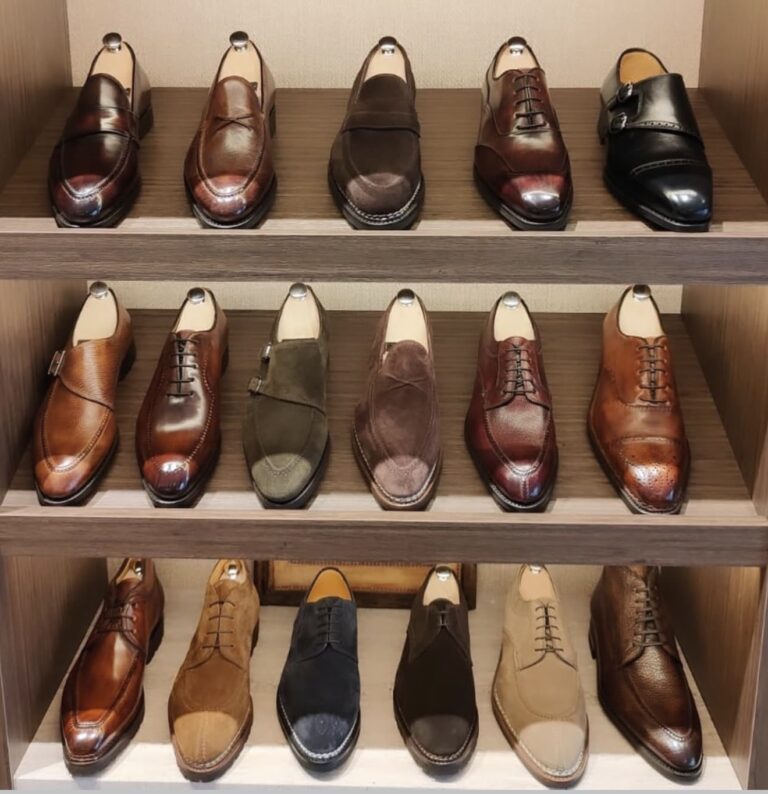
The shoe collection remains a core of the offer. Crockett & Jones, Bontoni and Heschung stand beside Franceschetti and the house label Julius. British, Italian and French shoemakers thus come together in one specialist collection. For Jules the bond with those makers is personal. He visited workshops and factories at a young age and did a six-month internship at Crockett & Jones, where he made shoes himself. His interest in construction therefore has a practical background too.

That experience carries through into the Julius collection. The shop chooses materials and develops products with the makers to its own specifications. The shoes are made in Italy and Spain, with both Goodyear and Blake constructions. The own label also includes shirts, knitwear, scarves and ties, for which makers in Germany and the United Kingdom are also engaged. Julius is thus on the door and in the collection; the shop develops part of what it sells itself. Some relationships with producers go back more than three decades. The own label thus also builds on knowledge that arose during long-term collaboration.

Around the shoes there is also a specialised world of accessories. Saphir supplies care products, Pantherella the socks, Albert Thurston the braces and Fox Umbrellas the umbrellas. These are categories that each have their own makers. That attention to the equipment around a shoe sets Julius apart from a fashion shop in which footwear is one department among many. Care and use remain part of the story, even after a pair has left the shop.

The expansion into clothing takes shape with GTA, William Lockie, Montecore and Richard J. Brown. Trousers, knitwear, denim and outerwear build on the interest in specialised producers. For visitors who still know the shop as Shoes & Shirts, that breadth makes the name change tangible. The shoe is still a logical starting point, but the business has grown into an address where more parts of menswear take an independent place.

Jules also draws inspiration at Pitti Uomo, where contacts with makers and other people from the trade come together. That constant traffic between shop, workshops and the trade explains the development of Julius better than a changing style label. A family business from 1988 has gradually become a label of its own as well. At the Maastrichter Smedenstraat that knowledge comes together in objects that are used every day: a shoe, a shirt, an umbrella. Behind each of them stands a maker the shop deliberately works with.

Start with the shoes. Stay for the wardrobe.

www.julius-boutique.com

Buy better, not louder. Beautiful fabrics, good proportions and clothes that are more interesting after five years than on the day you bought them.

NATAN, modehuis in Maastricht

NATAN

NATAN · Plankstraat · Belgian luxury · ready-to-wear

A shoulder line can be as defining as a façade. At NATAN that comparison is understandable: Edouard Vermeulen trained as an interior designer before finding his way into fashion. His interest in architecture is still a key to the Belgian house. At Plankstraat 10 that world gets a Maastricht address, with the ready-to-wear collection at its centre.

The fashion story began for Vermeulen on the Louizalaan in Brussels. In 1983 he was looking for a space to show his interior designs and ended up at the couture house Paul Natan. A few years later he took over the house. The first fashion show followed in 1986, with Princess Paola among the guests. In 1987 the first ready-to-wear shop opened in Brussels. The development from couture to a broader clothing collection has thus long been part of NATAN’s history. The original couture house Paul Natan had existed since 1930. Vermeulen brought his own training and design vision to a company with an older Brussels history.

The architectural interest is visible in the work with volume. The autumn collection of 2026, for example, includes balloon trousers of felted wool, structured jacquard dresses and silk designs with an architectural print. Different materials make different shapes possible: a felted fabric holds a clearer contour, while silk adds movement. These examples from the house’s collection show how a design idea runs through from print to silhouette. The built character of a garment can lie both in a line and in the surface.

NATAN works with a wide palette of materials. Organza, crêpe, flannel, wool scuba and knits of merino wool and cashmere appear in the ready-to-wear world. A wool scuba coat and a more transparent organza design have different possibilities within the same collection. As a result the recognisability of the house is carried by more than one kind of dress. Knitwear, coats, trousers and skirts also belong to the story the Maastricht boutique presents.

The bond with European royal houses forms a separate chapter. Vermeulen designed the wedding dress of the Belgian Queen Mathilde in 1999 and also dresses members of other royal families. At the same time the house invests in the craft behind the designs. NATAN Collective, started in 2017, gives young Belgian talent a platform. Atelier II in Brussels has offered insight into the making of a NATAN piece since 2018. Couture, talent development and ready-made each thus have a place of their own within the house.

The boutique on the Plankstraat brings the ready-to-wear side of that Belgian design world to Maastricht. The surroundings near the Onze Lieve Vrouweplein give it a compact, urban scale. For anyone interested in the relationship between architecture and clothing, NATAN offers a recognisable subject: how a material gains volume and how a line runs around the body. Vermeulen’s first training turns out to be a lasting background. What once began with spaces and interiors has developed into forms that are worn.

Royal references. Modern restraint.

www.instagram.com/natanmaastricht

Max Mara Maastricht, damesmode in Maastricht

Max Mara Maastricht

Max Mara · Bredestraat · Italian luxury · womenswear

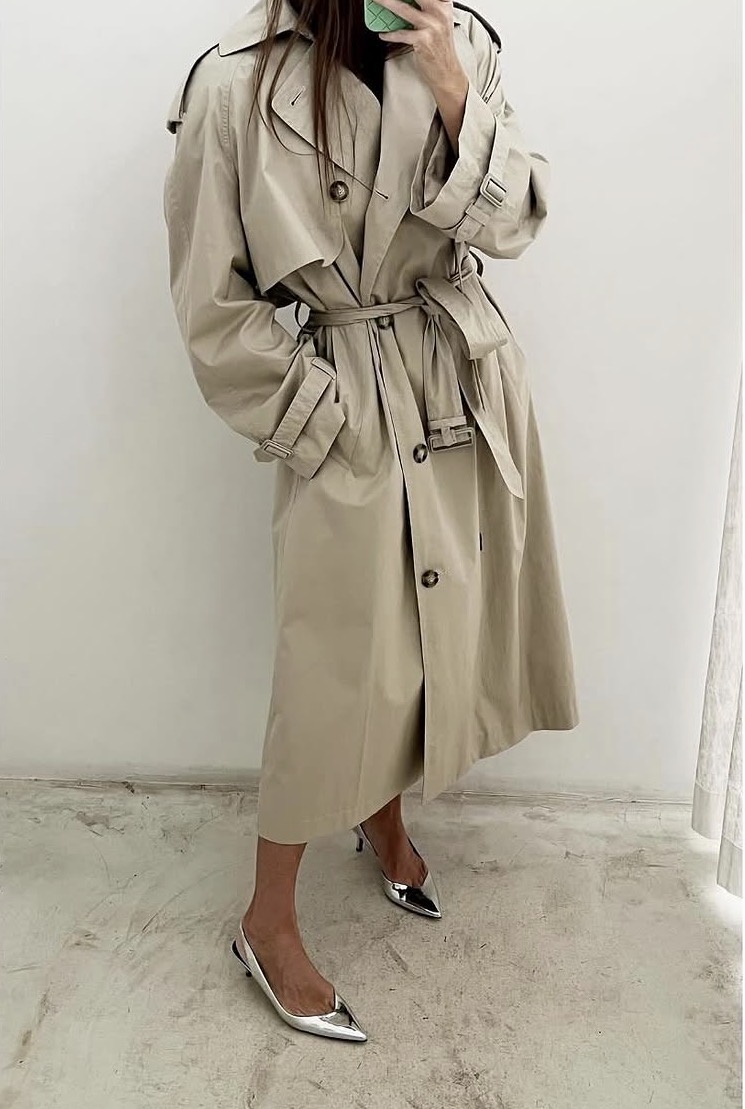
Some garments become known by a name, others by a number. The 101801 belongs to the latter category. Anne-Marie Beretta designed this coat in 1981 for Max Mara; the model grew into one of the house’s most recognisable expressions. Anyone who wants to understand why a coat can be so much more than the last layer you put on will find a convincing starting point at Max Mara.

The 101801 is one chapter in a family of recognisable coats. Manuela tells another story: a wrap model of pure camel hair, with a generous shape and a characteristic quilted edge. The hair is gathered during the natural moulting season and carded during the spinning process. Details like these explain why material is part of the design at this house. The suppleness of the fibre helps determine how the coat falls around the body.

Then there is the Teddy Bear Coat, designed in 2013 with an archive piece from the eighties as its starting point. The generous volume, low sleeve insertion and fluffy surface make the model instantly recognisable. The camel version combines camel hair with a silk base. Within the same design world a very different character emerges: more playful and exuberant than the sleeker lines of the 101801. The history of Max Mara also consists of such new interpretations.

The Maastricht boutique brings the broader womenswear collection close. Besides coats there is attention to suits, dresses and eyewear. That lets you look beyond the iconic outerwear for which Max Mara is so well known. It is a coherent world in which a coat, trousers and top each have their own function. The shop is especially suited to anyone who likes to see different possibilities side by side within one design vision.

The boutique on the Bredestraat is getting a new look; during the renovation Max Mara receives customers temporarily at Havenstraat 8-12. The house’s fashion world thus remains present in the same compact shopping quarter. Weekend Max Mara also has a separate address at Maastrichter Smedenstraat 23. That related line forms a chapter of its own, with a different collection and its own shop in Maastricht.

Ludmilla shows a quieter side of the collection again. For this coat Max Mara uses double cashmere, hand-stitched and finished with tailoring details. The difference between Manuela, Teddy and Ludmilla therefore lies in more than a name or colour. Construction, volume and material lead to three different ways of wearing. Together they form a good way in for anyone who wants to get to know the house up close for the first time.

Max Mara thus brings a specific form of Italian fashion to Maastricht: wearable garments that carry a recognisable design history. The coats form the foundation; suits, dresses and accessories build on that. A visit is especially interesting if you like such a coherent signature. The outer layer gets the same attention here as the whole beneath it, and a design from 1981 can still be the beginning of a new wardrobe.

The coat may outlive the trend.

www.maxmara-maastricht.com

Pauw Maastricht, damesmode in Maastricht

Pauw Maastricht

Pauw · Havenstraat · curated luxury · womenswear

Pauw does not just hang above the door. The name is in the clothes too, and that double role is what makes the shop at Havenstraat 3 interesting. This Dutch house selects international designers and also develops a collection of its own. In Maastricht those two worlds come together in a womenswear boutique in the Stokstraatkwartier. Anyone who only knows Pauw as a shop will discover the fashion house behind it here too.

That story begins in Amsterdam. Shortly after the Second World War, the couple Pauw-Thiry opened their first shop on the Europaplein. In the eighties the own clothing line followed, which became an ever more prominent part of the business. Alongside the buyer’s eye, the designer’s hand grew too. Madeleine Pauw links the collection to self-confidence: clothing should give the woman who wears it room to be herself.

Within that own collection the Pauw Icons form a recognisable starting point. They include cashmere coats, leather trousers and blazers with a single or double row of buttons. Take the mid-length double-face cashmere coat: large lapels, a slight waist and a detachable belt define the silhouette. The coat is one hundred per cent cashmere and is unlined. The design takes its character from the line of the collar and the way the waist is accentuated.

A short wool jacket shows another side of the same house. Here a double row of gold-coloured buttons and a roomier cut define the picture. The outside is entirely wool; inside is a lining of Bemberg cupro. Slash pockets keep the design practical. It is a concrete example of the attention to proportions within the collection: the compact length, the volume and the striking fastening each do their own work.

The leather trousers also deserve a place in that story. Pauw’s black stretch model has flared legs and an elastic waistband. It is made in Italy from supple plongé leather. That combination brings the pronounced surface of leather together with freedom of movement and a waist that moves along. With such a design it becomes clear how broad the own line is: next to the coat with its generous lapels stands a pair of trousers with a very different kind of suppleness.

Around it stands Pauw’s international brand world, with Dries Van Noten, Sofie D’Hoore, Golden Goose, Extreme Cashmere, Lisa Yang and Nili Lotan, among others. Colour, volume, sneakers and different approaches to knitwear thus get a place next to the own designs. The precise selection differs by branch and season. The appeal of that combination is the chance to see a designer’s pronounced language next to Pauw’s fixed forms.

The Havenstraat offers a fitting Maastricht address for that story. The boutique lies among the small streets of the Stokstraatkwartier, where several fashion houses sit close together. Start at Pauw with the own label. The buttons, lapels and cut tell how this house looks at clothing. After that the international names around it also gain more meaning: you see which designs the shop brings into conversation with its own work.

Quiet luxury, before it had a hashtag.

www.pauw-maastricht.com

Donsje Amsterdam, kinderkleding in Maastricht

Donsje Amsterdam

Donsje · Stokstraatkwartier · luxury childrenswear · flagship store

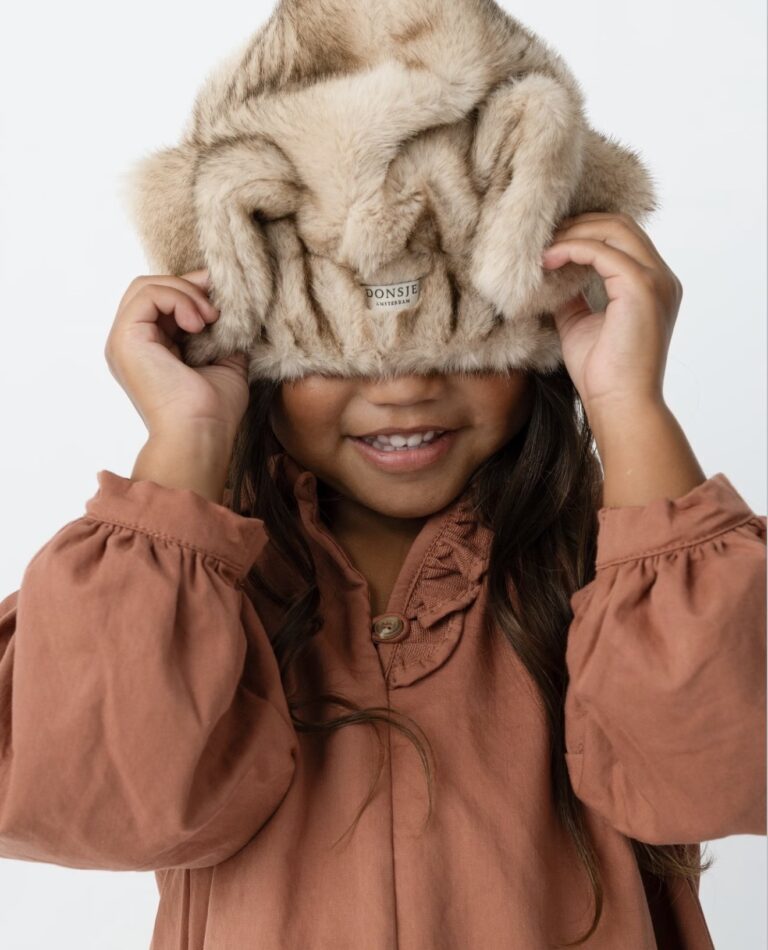
Among the big designers of the Stokstraat, a very different protagonist appears: a small animal with ears, a little nose or a tail. Donsje gives children’s fashion a fantasy world of its own. The official flagship store at Stokstraat 41-45 shows how a brand that became known for little shoes can grow into a complete wardrobe for babies and children. The scale is small; the design idea is remarkably recognisable.

Founder Florentine van Oosten Slingeland started Donsje in 2013, when she returned to Amsterdam expecting her first child. While travelling she had got to know local craftspeople and had already experimented with sandals and accessories herself. The name has a particularly homely origin: Donsje was the pet name her father used for her mother. So the family feeling is already there in the first word.

The animal motifs give that feeling a playful form. The range includes shoes, clothing, backpacks and accessories; within the shoe world the animal designs even have a category of their own. The look often stays soft and calm. The joke lies in a recognisable detail, so that a pair of shoes or a small bag can become a story for the child too. A favourite animal is, after all, easier to remember than a brand name. The product world is by now much larger than the first baby shoe. Baby, toddler and children’s shoes have separate collections; the children’s shoes run from size 22 up to and including 33. There are also bodysuits, dresses, knitted cardigans and coats. Backpacks, hair accessories and changing bags give the brand a place in the things around a family as well. That breadth shows how the original design idea can be translated into different objects, from a small leather shoe to something that goes along to school.

Behind the designs there is also a commitment to education. Donsje supports the Shining Star school in Nairobi and donates part of its profit to it. The foundation was set up in 2012 by the brand’s two directors. That story is separate from the question of which garment someone chooses, but it does give substance to the world Donsje builds around children. It is a specific initiative that the brand explains itself.

The Maastricht flagship store at Stokstraat 41-45 brings this brand world together at one address. The animal designs run like a hallmark through the different product groups. Ears or a little nose are small enough to let a design keep its simplicity, but clear enough to become the most important detail for a child. That is where Donsje’s own tone lies: the design appeals to adults, while the animal offers a much more direct way in for the young wearer.

On the Stokstraat Donsje therefore adds something the other fashion addresses lack. It brings attention to design to an age at which clothing may also be room to play. A small leather figure or an unexpected detail can become more important than the whole outfit. And that is exactly what makes a visit charming: the adult eye for beautiful things is joined by a child who has simply discovered their favourite animal.

Little characters. Big imagination.

www.donsje.com

In Maastricht, the perfect bag is sometimes three doors away from coffee, art or lunch. That is how an afternoon disappears.

KYMYKA, schoenenboutique in Maastricht

KYMYKA


KYMYKA · City centre · luxury shoes & bags · designer accessories

A shoe has more than one good profile. At KYMYKA that idea literally gets room: in the middle of the shop stand constructions of stainless steel rods on which shoes are presented individually. You see the heel, the toe and the curve from different sides. The boutique at Minckelerstraat 7 treats shoes and accessories as designs that deserve attention. That begins before a pair even comes out of the box.

Chantal Hermans and Jurgo Mouthaan founded KYMYKA and chose Maurice Mentjens for the interior, which was designed in 2009. He combined wood, steel and mirrors with the striking presentation in the middle of the space. The opening attracted immediate interest from the international design press. That link between shop architecture and fashion is substantively strong here: both are about proportions, material and the question of what a form does from another point of view.

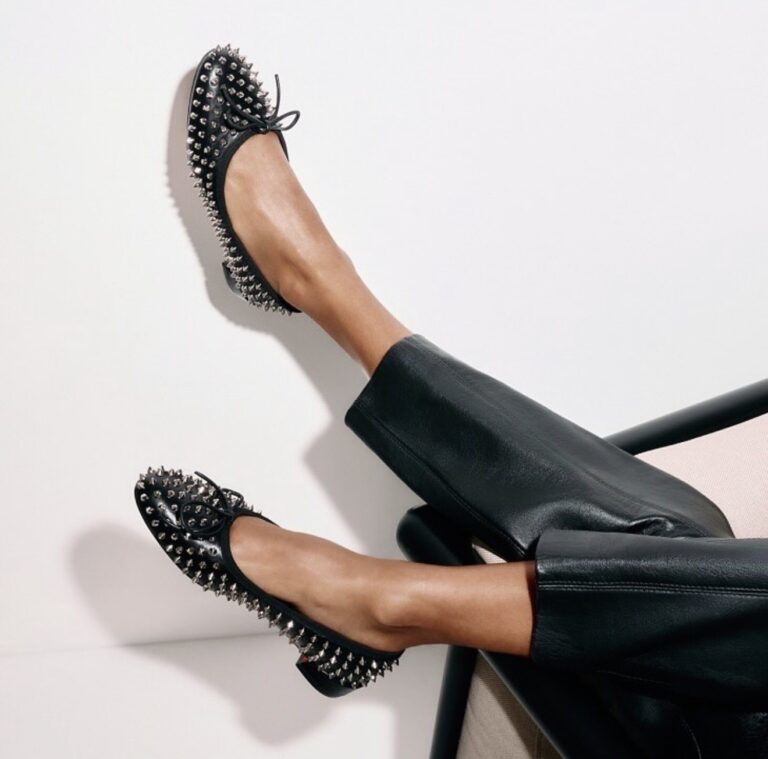
Christian Louboutin, Gianvito Rossi, Jimmy Choo, Aquazzura and René Caovilla form the different voices within the shoe selection. At Jimmy Choo the name Romy alone shows two possibilities. KYMYKA stocks the Romy 85, a suede pump made in Italy with a pointed toe and stiletto heel, and a Romy ballerina in the colour Ballet Pink. That flat version also has a pointed toe. The difference here lies in the relationship between the same sharp front and the height behind it.

Among the bags, Tissa Fontaneda takes relief in a very different direction. The Variety Junior in the colour Stone is made of nappa lambskin with the characteristic Bubble structure. Inside are two separate compartments and a zip pocket; the strap is adjustable. The Spanish craftsmanship and the practical layout both belong to the design. The bag thus has a distinct surface of its own, while the contents can be divided clearly.

The Tango Large, meanwhile, shows how the same brand works with textile. For this version the three-dimensional Bubble relief is woven from virgin wool and organic cotton. The inside is lined with lambskin and the detachable leather strap offers different ways to carry it. The tassel has horn details. The loose shape lets the woven material do its work; the tassel emphasises the mobility of the design.

Maison Michel adds a third craft with hats. A concrete example is the black Virginie in rabbit-fur felt, finished with a grosgrain ribbon in the same colour and a metal logo on the side. The restrained colour puts the emphasis on contour and finish. After the steel of the presentation and the pronounced structure of the bags, such a hat brings yet another material and scale into view.

For a wedding, a dinner or a special addition to your everyday clothes, KYMYKA therefore offers various points of departure. Interest may begin with a designer, but here it quickly becomes more concrete: a pointed toe, a woven relief, the finish of a hat. It is precisely in those details that the pleasure of this specialist lies.

Start with the shoes. Build from there.

www.kymyka.com

Le Marais Deux, conceptstore in Maastricht

Le Marais Deux

Le Marais Deux · Jekerkwartier · concept store · fashion, art & lifestyle

The word Deux refers to a second beginning. Le Marais Deux opened in March 2013 as the second shop of Le Marais, at first with an outlet function. By now the address at Maastrichter Heidenstraat 6 has a much broader programme: menswear and womenswear, accessories, art, furniture and other objects. That grown character is exactly what makes a visit interesting. The shop has several chapters, not all of which are about clothing.

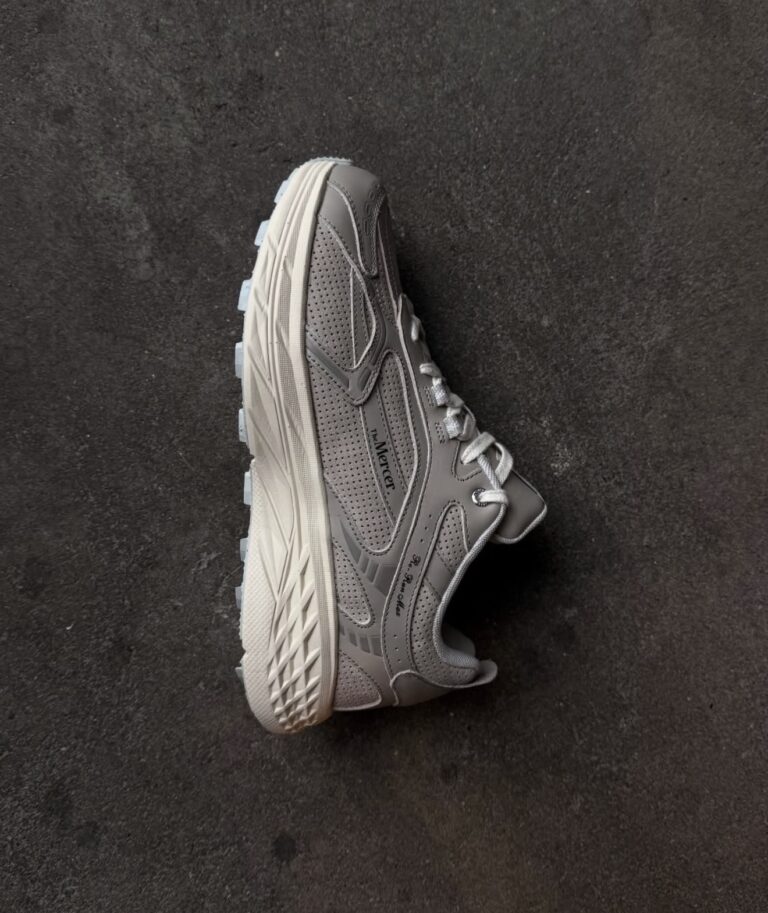
More than thirty brands give the concept store its content. Closed brings its denim background, Krakatau technical outerwear and Mercer Amsterdam sneakers. Le Specs adds eyewear; Hestra and Falke also give gloves and legwear a specialist place. KnowledgeCotton Apparel is part of the selection as well. The varied categories are thus tied to concrete makers. A visit can be built around fashion as well as around a smaller, targeted purchase. The outlet collection still has its own place, with Bellerose, No Man’s Land, Zenggi and Majestic Filatures, among others. That keeps the origin of the shop recognisable, without it defining the whole store. A find from an earlier season gets a new neighbour from the current collection. That encounter keeps browsing unpredictable.

Then there are the products that break open the fashion story. Stoned Amsterdam brings marble home objects into view, Steamery turns attention to garment care and PUNE adds make-up. That creates a collection that is less neatly delineated than an ordinary clothes shop. It does not need to be. An object for home or something that keeps your clothes looking good for longer can fit a personal taste just as well as a new coat.

KOFFIE, the independently run coffee bar connected to Le Marais Deux, adds another activity to the same address. A coffee date and a shopping visit can therefore go together. The bar has its own owner and function, while the connection with the concept store keeps both spaces accessible to each other’s visitors. Even for someone who mainly comes for coffee, clothes and objects remain a visible reason to look further.

The shop also has a direct way of working for finds from a distance. Anyone who discovers something in its own Instagram presentation can call or send a WhatsApp message; the shop can then ship it. That suits a collection in which, besides clothing, individual home objects and accessories also appear. The presence on social media and the physical address thus complement each other in a practical way. A discovery in Maastricht does not always have to go straight into the suitcase.

Perhaps the best way to read this concept store is as a series of unexpected connections. A coat next to an accessory, a daily habit next to a design for the home, a new brand next to an earlier collection. At the Maastrichter Heidenstraat that takes a form of its own, fed by the development the shop has gone through since 2013. The second part has long since become independent enough to return for specially.

Part two. Different plot.

Part two. Different plot.

www.lemaraisdeux.com

AIM Maastricht, boutique in Maastricht

AIM Maastricht

AIM Maastricht · Het Bat · womenswear · independent fashion

Aimée Maier chooses the clothes; Niels Maier helps to think about the space in which they appear. At AIM, both ways of looking have been connected from the start. The boutique at Het Bat 18a, on the corner by the Stokstraat, therefore carries a double signature. A silhouette and an interior can reinforce each other, and it is precisely that meeting that gives this address its own place among Maastricht’s fashion shops.

Aimée got to know the fashion trade at close quarters from an early age. As a child she went buying with her mother and saw fashion shows, long before she herself was behind the choices of a collection. After training at a dance academy, fashion eventually followed. That route gives her story an interesting accent: movement, posture and clothing are different ways of looking at the same person. In a shop, they come together again naturally.

Alexander Wang is one of the international names associated with AIM; the fashion house lists the boutique as a Dutch stockist. The brand brings an urban clothing language, with denim, sweatshirts and distinctive shapes in its wider design world. Over the years, Isabel Marant, forte_forte, Stella McCartney and Anine Bing have also helped to shape the profile of AIM. Together they show a preference for womenswear that can look relaxed yet has a distinct character of its own.

Niels Maier’s interior gives those clothes room to breathe. Plenty of white, natural tones and a counter of Italian marble formed the basis of his design; the clothing rails follow the windows. The outcome is a clear interplay between clothing and architecture. The eye is not constantly interrupted by yet another piece of set dressing. A colour or silhouette gets the chance to define the picture itself, while the use of materials gives the space a weight of its own. The floor also received particular treatment in that renovation: the poured concrete was finished in a colour of its own. The spacious fitting rooms and a seating area are part of the same interior. Those choices show how far the collaboration between Aimée and Niels reaches. The places where someone stays longer are also taken into the same whole.

Aimée and Niels also work together when preparing the collection. Buying and conversations about fashion and design are part of the way they work together. As a result, the interior stands in direct relation to the clothes that appear in it. One part springs from Aimée’s experience in the fashion trade, the other from Niels’s design practice. That gives AIM two makers behind a single shop image, with different disciplines that come together early in the process.

At Het Bat 18a, that collaboration has a recognisable corner address. The window side, the marble counter and the clothing rails together determine how the collection is seen. It is precisely the link between presentation and selection that sets AIM apart within the Stokstraatkwartier. A visit therefore also has something to offer lovers of interior design: you see how two personal disciplines come together in one shop, without the clothes or the space having to tell a separate story.

Fashion in a different frame.

A little hidden. Very well aimed.

www.aim-maastricht.nl

PL-LINE, modezaak in Maastricht

PL-LINE

PL-LINE · Bredestraat · luxury fashion · contemporary & streetwear

A monumental seventeenth-century building need have little to do with the latest fashion. At PL-LINE, those two worlds stand side by side. At Bredestraat 7 and 9, City Outfits and Luxury Sports bring international designer fashion together with sportswear and streetwear. The contrast between the historic street and the current collections is an essential part of the story here.

PL-LINE began in 1993 in a side street of the Maastricht city centre. Stone Island and Prada were among the brands with which the shop built its name. About ten years later came the move to the Bredestraat. That history explains why technical clothing and distinctive fashion houses have long appeared together here. The combination grew out of the development of the shop and was then broadened further and further.

The names on the rails vary widely. Moncler, Stone Island and C.P. Company stand alongside Balenciaga, Tom Ford, Jil Sander and Thom Browne. Amiri, Casablanca, Ganni and Zimmermann are also part of the range. That offers several ways into the shop: from a coat or sweater, from a formal garment, or from a designer with a distinctive world of their own.

Sease’s Ellen Blazer 2.0 gives a concrete example of the combination of tailoring and comfort. The style in the shop’s own collection is made of extra-fine WISH wool with cashmere, with a light, deconstructed build. A narrow shawl collar, three buttons and roomy pockets define the design. It shows how a jacket can keep a shape of its own even without heavy construction. On the womenswear side, tailoring gets a different interpretation at Victoria Beckham. Her Detached Lapel Blazer in off-white has broad shoulders, a single row of buttons and a length that reaches over the hips. The coat is made in Portugal from polyester and wool. The design emphasises different proportions from the Sease blazer. The two examples show the breadth of PL-LINE through concrete constructions, rather than through a single overarching style label.

Ganni, Ulla Johnson and Zimmermann also bring different womenswear collections into the range. Sneakers, perfumes and other accessories broaden the shop’s world further. City Outfits and Luxury Sports give that extensive selection a layout across numbers 7 and 9. Interest can therefore start with one designer and carry on with another discipline: outerwear, a blazer, shoes or fragrance each have their own place in the same business.

PL-LINE has built up its present breadth from an early interest in, among others, Stone Island and Prada. That origin remains recognisable alongside the later expansion with more designers and product groups. The address on the Bredestraat thus tells two histories at once: that of a seventeenth-century building and that of a fashion shop that has kept expanding since 1993. The old architecture gives the fast-changing collections a permanent Maastricht home.

Old building. New obsession.

www.pl-line.com

Montulet, herenmode in Maastricht

Montulet

Montulet · Binnenstad · luxury menswear · Italian tailoring

At Montulet, all you need to do for a different take on menswear is cross the street. The two shops face each other on the Maastrichter Smedenstraat. At number 16, Cesare Attolini, Kiton, Isaia and 100 Hands take centre stage, among others; number 17 brings a more casual direction with names such as Eleventy, Hand Picked and Bolzonella. That two-part structure immediately gives the address a story of its own.

The first shop focuses attention on the world of tailoring. The names in the collection make it clear that Montulet is interested in the way a shirt, jacket or suit is constructed. That can show in a shoulder or lapel, but just as much in the overall shape the clothing takes on when it is worn. Here is a starting point for men who want to build their formal wardrobe with care.

Across the street, Montulet has a separate home for its chic-casual collection. Eleventy, Hand Picked and Bolzonella are among the names at number 17. The division keeps both sides of the business recognisable: the formal clothing has an address of its own, and so does the sportier collection. That makes the organisation of the shops easy to grasp before you have looked at a single brand. The difference is truly part of the business, right down to the house numbers.

The world of brands is wider than just the best-known suit makers. Borrelli, Fedeli, Herno, Fay, Hogan, Doucal’s and Santoni broaden the range. Jacob Cohën adds denim; Pierre-Louis Mascia brings a different focus on colour and pattern. Such names give a more complete picture of Montulet than the description Italian tailoring alone. The shop also shows what can happen around that tailoring. Made-to-measure is also an option. Alongside ready-to-wear, there are options for suits, dinner jackets and clothing that is altered or made for the customer. That makes Montulet useful for a specific occasion, but does not require every visit to revolve around a big moment. A well-chosen pair of trousers or a shirt can be just as logical a reason to get to know the collection.

A Jacob Cohën Corner brings men’s and women’s denim together within Montulet. The womenswear selection is at number 16, with Pierre-Louis Mascia among others alongside Jacob Cohën. That also gives the shop a department that falls outside its reputation as a menswear specialist. Mascia’s printed designs and Jacob Cohën’s denim add an accent of their own. It is a concrete reason to include Montulet in a shared shopping route.

The two façades make Montulet’s speciality literally visible in the street. On one side are the tailoring houses and the womenswear corner, on the other the chic-casual names. Ready-to-wear, made-to-measure and denim each get a place within the same business. For lovers of Italian menswear it is above all that concentration that is interesting: the Maastrichter Smedenstraat brings widely differing makers together within a few metres of each other. At Montulet, the other side of the street is part of the address.

Two doors. One Italian conversation.

www.montulet.eu

Tailoring on one street, sneakers on the next. Happily, Maastricht has never decided that style may only go in one direction.

NN07 by Sketch, modezaak in Maastricht

NN07 by Sketch

SKETCH · Stokstraatkwartier · contemporary fashion · menswear & womenswear

The name on the façade deserves a second look: NN.07 x SKETCH. At Stokstraat 35, the Danish clothing brand and the broader taste of an independent fashion shop come together. The shop’s current world takes in womenswear and menswear, shoes, accessories, books and fragrance. That makes this an address for anyone who likes to make connections while shopping: between an understated pair of trousers and a statement coat, or between what someone wears and what lies on the table at home.

NN.07 is a clear starting point. The name stands for No Nationality; the brand was founded in 2007 and draws inspiration from different countries, art and clothing from other periods. That open outlook translates into a collection with both everyday basics and designs that make more of a statement. It gives the shop a useful starting point: a wardrobe may have recognisable shapes and yet change direction now and then.

SKETCH adds several design worlds to that. On the menswear side, Marni, MM6 Maison Margiela, Common Projects and Golden Goose add their own accents. On the womenswear side, Isabel Marant, Róhe, Coperni, Baum und Pferdgarten and Morobé appear. In this way the same shop can appeal to very different tastes. The common thread does not have to lie in a single silhouette; it is the way a selection is put together that forms the signature.

The collaboration Lois Jeans x SKETCH is quite literally on a design: the Aliana Scarf Jeans in Vintage Stone. The cotton style has a low waist, a barrel fit and a hammer loop. A silk scarf adds a detail that makes the collaboration recognisable. So SKETCH becomes not only a seller but also a name within the collection. The shop gives an existing type of garment its own interpretation, visible in a concrete product. NN.07 also works with other makers. The collaboration with Fracap yields, among other things, the M127 boot, which SKETCH presents in dark brown. It suits a shop where the various names on the façade reach further than a single arrangement of rails. With the Aliana, SKETCH itself is in the design name; with the M127, the combination arises between the Danish brand and the shoemaker. Two collaborations thus give the collection a story of its own about who makes something together.

The other product groups broaden the story. Assouline brings in the visual universe of books; D.S. & Durga and Salle Privée link the clothing selection with scent. For someone who sees fashion mainly as part of a larger personal picture, that is an appealing trail to follow. A book can appeal to the same feeling for colour or setting as a garment, while a perfume adds something that stays out of sight.

With NN.07 x SKETCH, the Stokstraat has an address where the connections between makers become visible. Alongside the womenswear and menswear brands, the books by Assouline and the fragrances by D.S. & Durga and Salle Privée remain independent parts of the selection. The most recognisable point of reference is, in the end, that shop name on the label. The Aliana shows exactly where a multi-brand shop can put its own signature too.

No borders. A point of view.

www.sketch-store.com

Cross the bridge. In Wyck, fashion becomes more independent, more nonchalant and a little less interested in what a classic shopping street is supposed to be.

Le Marais, damesmode in Maastricht

Le Marais

Le Marais · Stokstraatkwartier · womenswear · timeless wardrobe

Le Marais opened in 1997. Tanja Telders took over the shop in 2000 and expanded it to more than a hundred square metres. The growth was not limited to shop space. The team and the service developed as well. The business gained a collection of its own and eventually a web shop, which allowed the relationship with customers outside Maastricht to take a new form.

The palette of brands gives a good idea of the style. No Man’s Land, Closed, Bellerose, Zenggi and FFC together form a broad European company. Shoes by Mercer Amsterdam and TORAL, among others, add a different scale to the collection: sometimes it is the pair beneath a pair of trousers that determines how the whole combination is read. The range leaves room for clothing that works in everyday life as well as for a piece that demands more attention.

Several generations work together in the team. Some staff have been with the business for about twenty years; younger colleagues bring their experience with new tools. That combination keeps knowledge of the collection within the business. The same shop team also gives advice by phone and message, for example about a fit or a length. That way, a recognisable group of people stands behind the online range. The web shop came about during the pandemic, when the spring collection had already been bought and TEFAF was also around the corner. Tanja’s son helped set up the online shop. That emergency solution gained lasting importance for customers from Belgium, Germany and Switzerland, among other countries. A visit to Maastricht could from then on be continued online, with advice from the team that also works in the boutique.

Le Marais’s own collection, alongside No Man’s Land, Closed, Bellerose, Zenggi and FFC, forms a separate part of the range. The shop’s name takes its place there among the names of the international suppliers. That is a different role from buying alone: a line of one’s own can complete the selection from the boutique’s own perspective. For regular customers it is also an immediately recognisable part of the range, which can be found both in the shop and online.

The distinctive story of Le Marais therefore runs through the people behind the collection. Tanja carried on the shop, her son helped build a next form, and the team connects the shop with customers at a distance. The Morenstraat remains the physical starting point of those relationships. The address takes on extra meaning when a visit can be continued later, or when someone who used to come along with her mother now stands at the door herself with a child.

A familiar address. A fresh chapter.

www.lemarais.nl

A classic coat with a sneaker, couture next to contemporary streetwear, a perfect bag that suddenly transforms a simple look completely.

Hunters, herenmode in Maastricht

Hunters

Hunters · Wyck · menswear · contemporary luxury

Hunters appeals to a different man from the classic tailor, and that is exactly the point.

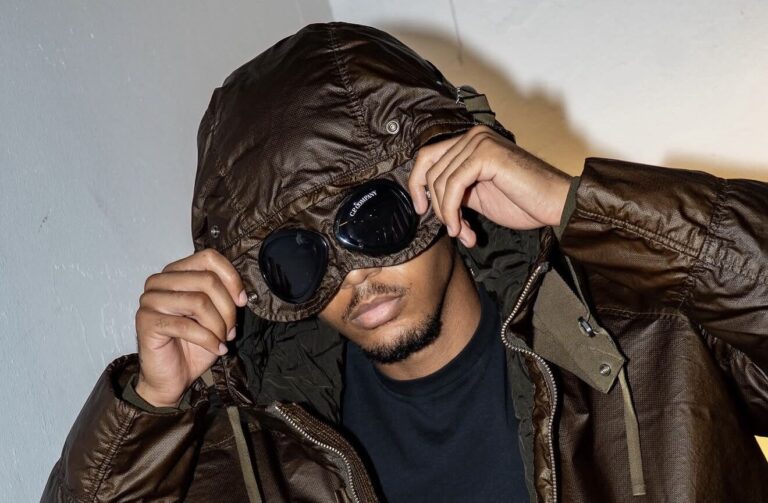
At Hunters, shopping is not about having as much choice as possible. On the Stationsstraat the emphasis is on modern menswear, with labels such as C.P. Company, Aspesi and Woolrich. As a result, the collection feels curated rather than filled, and that is often the biggest difference with an independent shop.

Technical fabrics, sportswear and a well-groomed casual wardrobe get more space than classic tailoring. Wyck, moreover, suits that approach well. Maastricht works as a shopping city precisely because of the variety of monumental streets, small doors and addresses that you sometimes only see once you know they are there.

A strong boutique or specialist shop needs a point of view. Not every brand, object or trend has to be let in. Here you notice that someone has already made choices before you. Browsing becomes calmer, advice more relevant, and the chance greater that you find something that is not hanging in five other shops down the road.

It is luxury without any need for a tie. Well-groomed, masculine and modern, but happily never as if someone has made a wrong turn on the way to the office.

Off duty. Still very well dressed.

www.hunters.fashion

La Neuvième, boutique in Maastricht

La Neuvieme

La Neuvième · Wyck · womenswear · Parisian influence

Parisian inspiration is the starting point of La Neuvième. Tania Tebes founded the boutique in 2010, out of her interest in fashion, art and architecture. At Rechtstraat 75 in Wyck, that combination has an address of its own. Clothing, jewellery, accessories and perfume are separate parts of a shop world that also pays attention to music, movement and the way people present themselves.

The current world of brands is broad enough to resist a simple label. Acne Studios and Studio Nicholson stand alongside names such as Christian Wijnants, Barena Venezia, Denimist and 6397. Extreme Cashmere adds a recognisable focus on knitwear. That combination makes it clear that Parisian inspiration is no obligation to sell only French brands. It is about an attitude to clothing, for which designers from different countries supply the material.

Under the name The Nine Stories, La Neuvième has set out that interest in nine guiding principles. New designers and clothing with a good fit sit alongside scent, art, music and movement. Beauty, confidence and a healthy lifestyle also have a place in that programme. It explains why the boutique looks beyond clothing alone. The product groups tie in with a broader interest of the founder, rather than appearing as loose additions to the fashion collection.

The digital Styling Room then shows how the clothing is actually presented: as complete combinations, with shoes and accessories included. In this way the shop offers its own visual interpretation of the brands. For someone who does not yet know La Neuvième, that makes her selection concrete. You see which designs are highlighted together and how a garment finds its place within the image of the boutique. The Styling Room is thus a recognisable extension of the address in Wyck.

Perfume offers a second way in. Escentric Molecules and Jusbox Perfumes add their own ideas to the clothing and accessory labels. That leaves room for a choice that cannot be judged in the mirror. A scent can match the clear picture of an outfit, or add something unexpected. That broadens the character of the boutique: its personal feel also lies in what someone only notices when they come closer.

Maria Nilsdotter brings jewellery into this world. A concrete example is Charmed Empress: a silver charm with mother-of-pearl and a freshwater pearl, included in the shop’s own product presentation. Bags by Marrea are yet another discipline. Such objects give the range a smaller scale alongside the clothing. The difference between a charm, a bag and a garment is considerable, yet they all show something of the design choices that La Neuvième brings together. La Neuvième derives its individuality above all from that broad range of interests. The Parisian inspiration continues through designers from different countries, a presentation of outfits of its own and room for scent and jewellery. On the Rechtstraat it is therefore an address where the interests behind a collection are visible too. The Nine Stories gives that world a name; the individual design makes it concrete, right down to a small pearl on a silver charm.

Paris in the perspective.

www.laneuvieme.nl

The best boutiques do not simply sell more choice. They have already done the hard work and show only what they believe is worth your while.

By Duut, boutique in Maastricht

By Duut

By Duut · Wyck · womenswear · curated fashion


A rounded trouser leg can change the whole impression of denim. At BY DUUT, that idea has a name: Miro, by Citizens of Humanity. Yvonne Duut presents the style in her autumn selection alongside brushed cashmere by L’Âme de Julie. Two very different designs thus show something of the taste behind her boutique at Rechtstraat 66. The attention goes to what makes a garment special: the line, the surface, a familiar shape in a new version.

The Miro is all about volume that is then pulled back in again. The leg has a subtle curve and tapers towards the bottom: the characteristic barrel shape. The top of the shape stays roomy, so the line looks relaxed without becoming equally wide everywhere. It is precisely that transition that gives the jeans their sculptural character. It is a design in which the cut does the work. BY DUUT introduces a new colour of this well-known shape; the look changes while the recognisable profile is retained.

L’Âme de Julie brings a different visual quality. The brushed cashmere cardigan that Yvonne highlights has a more softly defined surface than a smooth knit. The fine fibres give the outline something airy and make the texture itself a visible detail. With this kind of knitwear, the character lies in the finish of the material itself. The transition from a smooth surface to a soft, fluffy texture changes how the garment catches the light and how clearly its shape stands out.

Behind the French brand name are two Dutch women, Margje and Julie, with experience in the higher end of fashion. Their label is built around cashmere and simple, feminine designs. The fibres come from Inner Mongolia, where the goats’ undercoat protects against strong seasonal differences. In spring, the long, fine fibres are collected. That background explains the interest in the material: a single raw material can yield both light layers and heavier knits. The brushed surface gives that versatility an extra expression.

Yvonne deliberately chose Wyck for its independent shops, places to eat and the contacts between businesses. Her bond with the neighbourhood takes very concrete forms. For flowers she names SamSam, for a gift De Verwondering; after work she likes to sit on a terrace on the Cörversplein, including the one at CINQ. For her, the Rechtstraat is therefore also the neighbourhood in which she spends her own free time. That personal neighbourhood map gives BY DUUT a recognisable place among entrepreneurs who know each other and look beyond their own front door.

The combination of a distinctive jeans style and Dutch cashmere shows how wide a personal view of fashion can reach. Both labels have their own vocabulary: with Miro it is about the curved line, with L’Âme de Julie about the possibilities of a fibre. Yvonne brings those worlds together at one address. That makes BY DUUT interesting for anyone who likes to understand why that particular design draws attention. The conversation about fashion starts here with a curve in a trouser leg.

International taste. A local heart.

www.byduut.com

Nina's Boutique, damesmode in Maastricht

Nina’s Boutique

Nina’s Boutique · Wyck · womenswear · Scandinavian, French & Dutch

France, Denmark and the Netherlands are the three directions from which Nina’s Boutique builds its collection. The shop at Rechtstraat 58 has existed since 2008 and presents those origins as parts of a single whole. That gives a clearer picture than the label Scandinavian style alone. There is room for different forms of femininity, for calmer pieces and for clothing that brings more movement or colour into a combination.

Rabens Saloner and Suncoo give that geographical mix a concrete face. The first links a Danish design world with a marked interest in colour; the second brings a Parisian angle. At Nina’s, those different backgrounds can sit side by side with ease. That is precisely the role of the boutique: bringing different collections together in such a way that you can combine them across the boundaries of a single brand.

Rabens Saloner links its Danish background with a dye studio of its own in Bali. There, fabrics are worked by hand. In the traditional tie-dye technique, pleated fabric is tightly bound with elastic so that parts remain undyed. For more complex patterns, the fabrics are re-bound between dye baths. The result is therefore tied to the actions of a maker. Small differences between pieces are part of this way of working, such as a dye boundary or the position of a patch of colour. Within Rabens Saloner, handcraft has even more geographical roots. In Nepal the label works with a specialist knitting factory where knitting and dyeing are done by hand; in northern Thailand part of the leather belts are made. That background gives substance to Nina’s international collection. The origin of a brand name tells only part of the story. Behind a Danish label there can be various crafts and places of production, each making its own contribution to the final design.

Suncoo, for its part, brings a Parisian direction, with prints, knitwear, dresses and more structured clothing. The dark grey Bill bermuda shorts in Nina’s own product presentation are a concrete example of that broader clothing world. The short trouser style gives a different picture of the label than the flowing dress alone. That makes the two brands within this boutique different in substance: with Rabens Saloner it is above all the story of hand-worked colour that stands out, with Suncoo the variety of garment shapes.

Since 2008, Nina’s has had a permanent address at Rechtstraat 58 in Wyck. The French, Danish and Dutch preferences remain the starting point of the selection. Within that geographical choice, the makers can differ greatly, as the stories behind Rabens Saloner and Suncoo show. That makes the address particularly interesting for anyone who wants to learn about the design method behind a brand name. A pattern, a finish or a model name then takes on a more concrete meaning.

Nina’s thereby adds a subject of its own to the fashion shops on the Rechtstraat: a selection in which a European world of brands is linked to widely varying ways of making. The hand-dyed work of Rabens Saloner in particular offers a detail that rewards a closer look. What at first looks like just a patch of colour may turn out to be the trace of pleating, binding and different dye baths. In this way a design gets a history that began before it ever reached a boutique.

Three directions. Your own way.

www.ninasboutique.nl

Traders Pop, conceptstore in Maastricht

Traders Pop

Traders Pop Binnenstad · conceptstore · vintage & print culture

At Traders Pop, an afternoon can begin with a magazine and end with a different view of clothing. At Heggenstraat 16, fashion, vintage and print sit close together. Art books and independent publications are part of the same curiosity there as a coat or a special shirt. That makes the shop an attractive address for people who like to look beyond their own fixed preferences and make unexpected connections along the way.

The origin fits that open attitude. The Waterval brothers started out in the early 1980s buying and reselling second-hand furniture. The name Traders refers to that trade; Pop was added as a nod to pop culture and a contemporary way of life. The pleasure in finding and passing on remained, while the objects changed. The step from a piece of furniture to a book or coat is smaller once curiosity is the starting point.

Fashion moves between new collections and vintage. Comme des Garçons PLAY, Stüssy, Carhartt, YMC and Stan Ray are among the names with which Traders Pop built its profile. Baserange, moreover, confirms the shop as a stockist in its own right. That combination gives the shop several layers of time: new designs and older clothing are viewed within the same field of interest. One part of the selection changes through new introductions, the other through what the search for vintage turns up. Guido Waterval uses the fashion world as inspiration for his vintage choices. Ideas from the catwalk are translated into older pieces that take on new meaning in the current season. As a result, vintage has a current function here. The interest is in a shape or colour that resurfaces, and in an existing garment that can offer a response of its own.

The books and magazines are a second reason to visit the Heggenstraat. A fashion image on paper gives time to look longer at composition, colour and posture. An art book can approach the same subject from a completely different direction. In a shop where both exist alongside clothing, browsing becomes part of the discovery. Even without a concrete wish to buy, you can take something away: an idea, an unfamiliar name or an image that comes back later.

Music is also part of the brothers’ story. In the 1980s they organised jazz concerts in their bar, with Chet Baker and John Scofield among others. Later came an interest in house music, without jazz disappearing from the picture. That history makes the name Pop concrete. The shop grew out of a broader cultural curiosity, in which clothing, magazines and music regularly overlapped. The various product groups grew out of the founders’ interests.

Traders Pop therefore has a different background from a fashion shop that later added books to its range. Trading in second-hand furniture, concerts, magazines and clothing are chapters of the same business. At Heggenstraat 16, fashion, vintage and print come together above all. Anyone who opens an art book touches on an interest that has existed far longer than the newest collection. The shop’s history begins with finding and passing on, and that remains a compelling reason to browse there yourself.

Good clothes. New ideas. Unexpected finds.

MAX Maastricht modeboetiek in Wyck

Max Maastricht

MAX Maastricht · Hoogbrugstraat · womenswear · smaller labels and new design talent

An unknown name on the label can be exactly the reason to look more closely at MAX. The womenswear shop at Hoogbrugstraat 69 deliberately gives room to smaller labels and emerging designers. That is a clear choice in a city that is also home to many internationally recognised fashion houses. The shop stands at the head of the Rechtstraat, at a point where a walk through Wyck easily takes a different direction.

The collection changes weekly. French and Italian designs are preferred; locally produced pieces also regularly find a place. The emphasis on small scale keeps the selection on the move. What defines the picture one time may already have been supplemented by something else on the next visit. For returning customers that is a reason to keep following the shop, without having to wait for the big change of season.

Sheila Oroschin gave that buying direction a concrete face with her trips to France and Italy. Milan was part of that too, with an interest in suppliers beyond the best-known fashion houses. Her starting point was the combination of a striking design and an accessible price, within a selection that was not about famous logos. That explains much of the nameless discoveries with which MAX has made its name: the buying starts with the individual garment.

Besides clothing, accessories have a place in that concept. They are bought as part of the selection and make it possible to include smaller designs in the shop world as well. A visit can therefore turn up different kinds of finds. The attention to lesser-known producers stays the same. In this way of working an accessory does not first need a famous brand name to be included in the collection. MAX calls itself Art & Fashion. Art was also part of the earlier interior, in which works on the wall appeared next to the clothing display. That gives the address a second background: the shop’s interest also extends to colour and imagery beyond fashion. It is a historic part of the shop concept that helps explain why MAX positions itself so firmly around a taste of its own.

Colour played a pronounced role in Oroschin’s description of the shop. Even a winter collection was allowed to keep something sunny for her. At the same time she wanted to appeal to different ages, from younger customers to mothers and grandmothers. That makes the original idea behind the selection clearer than a label such as French style. It was about colour and individuality that could be useful for different women, with the team as a sounding board in the choice.

Today’s MAX continues the attention to smaller labels, new design talent and regular renewal. Hoogbrugstraat 69 gives that concept a permanent place on the corner of the Rechtstraat. For a shopping route through Wyck it is therefore above all an address for discoveries beyond the familiar brand lists. The name above the door stays the same, while the names on the clothes change. It is precisely that searching that MAX makes room for.

A new name. A personal discovery.

www.maxmaastricht.nl

CINQ Favourites. Walk into a street that was not on the plan, try on something you would normally leave hanging and above all do not buy only what you needed. The best finds are rarely planned. Enjoy Maastricht.